
Essential Guide to Maintaining Water Softeners
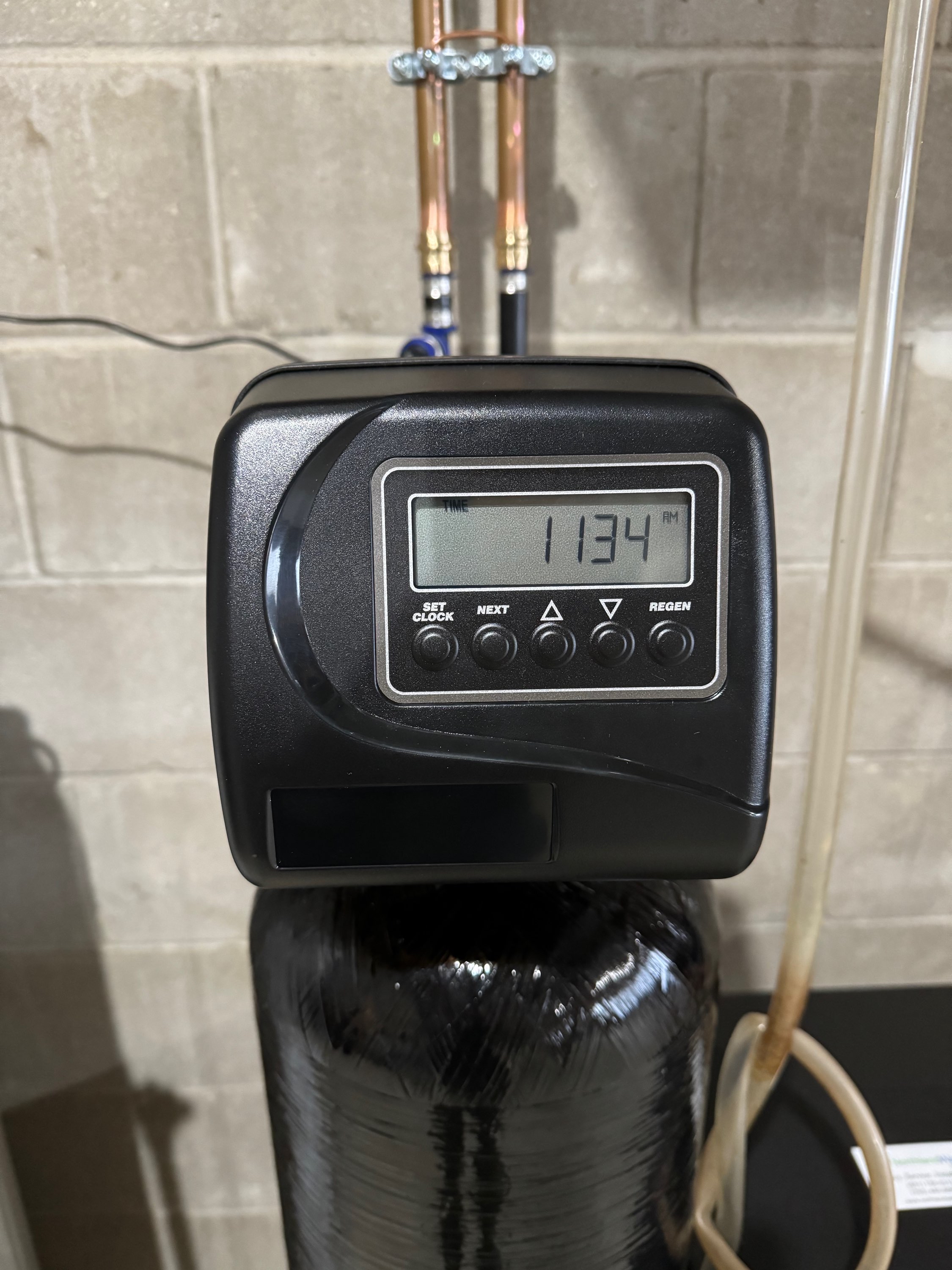
If you’ve invested in a water softener, you already know how much it improves your daily life. Softer water means cleaner dishes, smoother skin, and longer-lasting appliances. But have you ever wondered how to keep your water softener running smoothly year after year? Maintaining your water softener is easier than you might think, and I’m here to walk you through everything you need to know.
Why Maintaining Water Softeners Matters
Water softeners work hard to remove minerals like calcium and magnesium from your water. Over time, these minerals can build up inside the system, causing it to work less efficiently. If you ignore maintenance, you might notice harder water creeping back into your home, or worse, damage to your softener that could lead to costly repairs.
Regular upkeep helps your water softener last longer and perform better. Plus, it saves you money by preventing breakdowns and reducing the need for professional service calls. Think of it like caring for your car - a little attention now prevents big problems later.
How to Keep Your Water Softener in Top Shape
Maintaining water softeners doesn’t have to be complicated. Here are some simple steps you can take to keep your system running like new:
1. Check Salt Levels Regularly
Your water softener uses salt to recharge its resin beads. If the salt runs low, the system can’t soften water properly. Make it a habit to check the salt level at least once a month. If you see the salt is below half full, add more. Use high-quality salt pellets designed for water softeners to avoid clogging.
2. Clean the Brine Tank Annually
Over time, the brine tank can accumulate sludge or salt bridges - hard crusts that prevent salt from dissolving properly. To clean it:
Empty the tank completely.
Remove any salt bridges or sludge.
Rinse the tank with warm water.
Refill with fresh salt.
This simple cleaning keeps your softener working efficiently.
3. Inspect for Salt Bridges and Salt Mushing
Salt bridges form when salt hardens into a solid layer, while salt mushing is a thick sludge at the bottom of the tank. Both block salt from dissolving and can cause your softener to stop working. Tap the sides of the tank gently to break up salt bridges or use a broom handle to carefully break them apart.
4. Keep the Area Around Your Softener Clean and Dry
Dust, dirt, and moisture can affect your softener’s electronics and mechanical parts. Make sure the area around your system is clean and dry. Avoid storing chemicals or cleaning supplies nearby that could damage the unit.

Does a Water Softener Need Routine Maintenance?
Absolutely! Routine maintenance is key to keeping your water softener in great shape. Besides the monthly salt checks and annual cleaning, you should also:
Check the settings: Make sure your softener is programmed correctly for your water hardness level.
Inspect the resin beads: Over time, resin beads can wear out and lose effectiveness. A professional can test and replace them if needed.
Look for leaks: Check hoses and connections for any signs of leaks or damage.
Routine maintenance helps catch small issues before they become big headaches. It’s a small time investment that pays off with consistent soft water and fewer repairs.
When to Call a Professional
While many maintenance tasks are simple enough to do yourself, some situations call for expert help. If you notice:
Water hardness returning despite regular salt refills
Strange noises or error codes on your softener
Resin beads needing replacement
Persistent leaks or mechanical problems
It’s a good idea to contact a professional. They have the tools and knowledge to diagnose and fix issues quickly, ensuring your system stays reliable.

Tips for Long-Term Water Softener Care
To get the most out of your water softener, keep these tips in mind:
Use the right type of salt recommended by your manufacturer.
Avoid overfilling the brine tank to prevent salt bridges.
Schedule a professional inspection every couple of years.
Keep an eye on your water quality and softener performance.
Follow the manufacturer’s instructions for your specific model.
By staying proactive, you’ll enjoy soft water without interruption for many years.
If you want to dive deeper into water softener maintenance, there are plenty of resources available to guide you step-by-step.
Your Water Softener’s Best Friend
Maintaining your water softener doesn’t have to be a chore. With a little regular care, you can keep your system running smoothly and enjoy all the benefits of soft water every day. Remember, a well-maintained water softener is a happy water softener - and that means happier skin, cleaner dishes, and longer-lasting appliances for you.
So, why wait? Start your maintenance routine today and keep your water softener in top shape for years to come!


Comments