
Troubleshooting Tips for Repairing Water Softeners
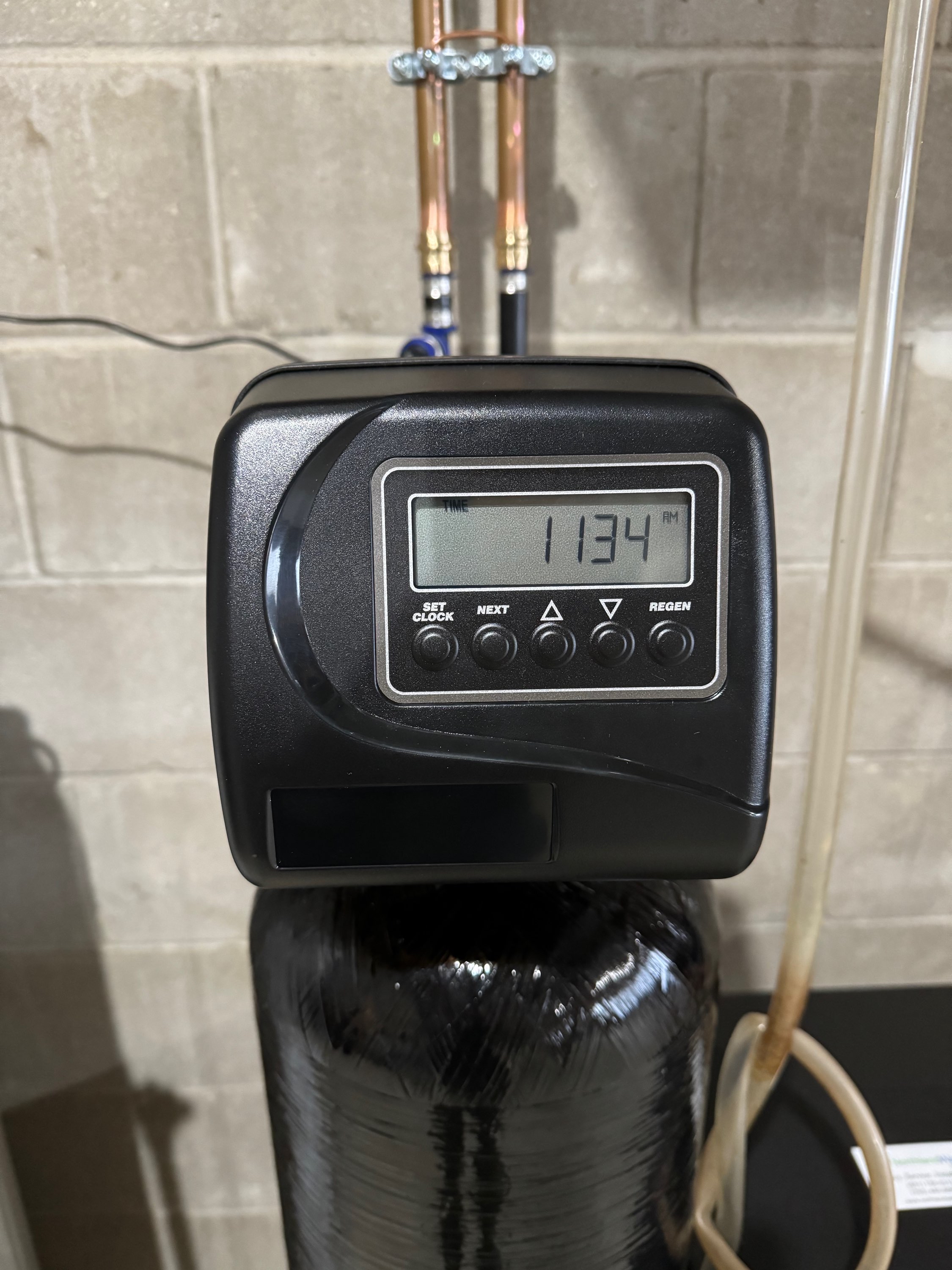
If you’ve noticed your water softener isn’t working quite right, you’re not alone. These handy machines make a big difference in your home by reducing hard water problems, but like any appliance, they can run into issues. The good news? Many common problems are easy to fix with a little know-how. I’m here to walk you through some practical troubleshooting tips for repairing water softeners so you can get back to enjoying soft, clean water without hassle.
Common Signs You Need to Start Repairing Water Softeners
Before diving into repairs, it helps to recognize the warning signs your water softener might be struggling. Have you noticed any of these?
Water feels hard or leaves spots on dishes and glassware
Salt in the brine tank looks wet or clumpy
Water softener cycles more frequently than usual
Water tastes salty or has an odd smell
The unit doesn’t seem to regenerate or recharge properly
If any of these sound familiar, it’s time to take a closer look. Sometimes the fix is as simple as adjusting settings or cleaning parts. Other times, you might need to replace a component. Either way, don’t worry - I’ll guide you through the steps.

How to Approach Repairing Water Softeners Step-by-Step
When you start troubleshooting, it’s best to follow a clear process. Here’s a simple plan you can use:
Check the basics first
Make sure the unit is plugged in and the bypass valve is in the correct position. Confirm there’s enough salt in the brine tank and that the salt isn’t hardened into a solid block.
Inspect the settings
Look at the timer and regeneration settings. Sometimes a simple reset or adjustment can solve the problem.
Clean the brine tank
Over time, sediment and salt residue can build up. Empty the tank, clean it with soapy water, and rinse thoroughly before refilling with fresh salt.
Examine the resin beads
Resin beads inside the tank do the heavy lifting by trapping minerals. If they’re worn out or fouled, your water softener won’t work well. You might need to replace the resin if cleaning doesn’t help.
Check for salt bridges and salt mushing
Salt bridges are hard crusts that form in the brine tank, preventing salt from dissolving properly. Salt mushing is a thick sludge at the bottom. Both can stop regeneration. Break up salt bridges carefully with a broom handle or similar tool.
Test the water hardness
Use a water hardness test kit before and after regeneration to see if the softener is working. This helps pinpoint if the problem is with the softener or your water supply.
Look for leaks or blockages
Inspect hoses, valves, and connections for leaks or clogs. Even small leaks can reduce efficiency.
If you follow these steps and still have trouble, it might be time to call in a professional. But many issues can be fixed at home with patience and care.
What is the average life expectancy of a water softener?
Knowing how long your water softener should last helps set expectations and plan for maintenance or replacement. On average, a well-maintained water softener lasts about 10 to 15 years. Some high-quality models can even go beyond 20 years with proper care.
Several factors influence lifespan:
Water quality: Harder water can wear out resin beads faster.
Usage: Larger households or heavy water use means more frequent regeneration cycles.
Maintenance: Regular cleaning and salt refills extend life.
Installation quality: Proper setup prevents unnecessary strain on the system.
If your softener is nearing the 10-year mark and you’re facing frequent repairs, it might be more cost-effective to consider replacement. But if it’s younger, troubleshooting and repairs can keep it running smoothly for years.
Tips for Preventing Future Water Softener Problems
Prevention is always better than repair. Here are some easy habits to keep your water softener in top shape:
Use the right salt: Choose high-purity crystal salt designed for water softeners. Avoid rock salt, which can cause buildup.
Keep the brine tank clean: Check it every few months and clean as needed.
Monitor salt levels: Don’t let the salt run too low; keep it at least half full.
Schedule regular inspections: Look over your system seasonally to catch small issues early.
Avoid overloading: Don’t exceed the softener’s capacity by using too much water or salt.
Flush the system annually: Some models benefit from a deep clean or resin bed flush once a year.
By following these tips, you’ll reduce the chances of needing major repairs and enjoy soft water without interruption.

When to Call a Professional for Water Softener Repair
Sometimes, despite your best efforts, the problem is beyond a DIY fix. Here are signs it’s time to reach out to an expert:
The unit won’t regenerate no matter what you try
You notice electrical or control board issues
Resin replacement or internal repairs are needed
Persistent leaks or water damage occur
You’re unsure about diagnosing or fixing the problem safely
A professional technician has the tools and experience to diagnose complex issues quickly. Plus, they can ensure repairs are done correctly to avoid future headaches. Remember, investing in expert service can save you money and stress in the long run.
If you want to learn more about water softener repair, trusted professionals in the Twin Cities area can help you get your system back on track with minimal downtime.
Keeping Your Water Softener Running Smoothly
Repairing water softeners doesn’t have to be intimidating. With a little attention and care, you can troubleshoot common problems and keep your system working efficiently. Remember to check the basics, clean regularly, and monitor performance. And when in doubt, don’t hesitate to call a professional.
Soft water makes a big difference in your home - from cleaner dishes to softer skin and longer-lasting appliances. Taking the time to maintain and repair your water softener is well worth the effort. Here’s to enjoying the benefits of perfectly softened water every day!


Comments