
Choosing the Best Water Softener for Your Needs: Top Water Softener Options
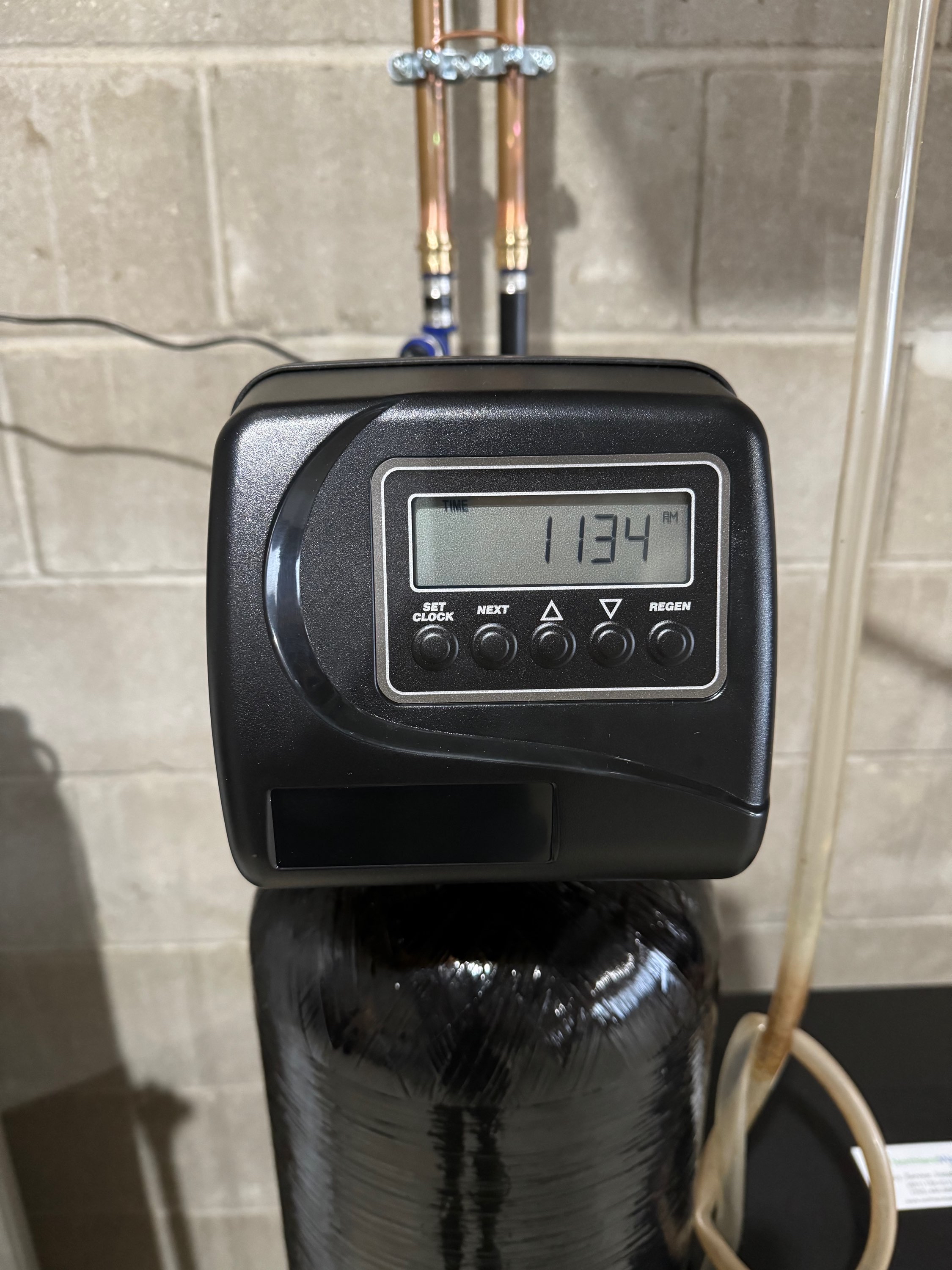
If you’ve ever noticed spots on your dishes, dry skin after a shower, or scale buildup on your faucets, you might be dealing with hard water. Hard water contains minerals like calcium and magnesium that can cause all sorts of issues around your home. That’s where a water softener comes in. But with so many options out there, how do you choose the right one for your needs? Let’s explore the top water softener options and help you make an informed decision.
Understanding Your Water Softening Needs
Before diving into the types of water softeners, it’s important to understand what you’re dealing with. Hard water varies in intensity depending on your location, and the Twin Cities area is no exception. Knowing the hardness level of your water can help you pick a system that works best for your household.
You can test your water hardness with a simple kit or ask your local water utility for a report. Once you know the hardness level, consider your household size and water usage. A family of four will need a system with a higher capacity than a single person living alone.
Also, think about your budget and how much maintenance you’re willing to handle. Some systems require regular salt refills, while others are more hands-off. Knowing these details upfront will save you time and frustration later.

Exploring Top Water Softener Options
There are several types of water softeners on the market, each with its own pros and cons. Here are some of the most popular options you might consider:
Salt-Based Ion Exchange Softeners
These are the most common and effective systems. They work by swapping calcium and magnesium ions with sodium ions, softening the water. They require regular salt refills but are highly efficient for heavy hard water.
Salt-Free Water Conditioners
These systems don’t actually remove minerals but prevent them from sticking to surfaces. They’re low maintenance and eco-friendly but may not be as effective in very hard water areas.
Magnetic or Electronic Descalers
These devices use magnetic fields or electric pulses to alter mineral properties. They’re easy to install and require no salt, but their effectiveness is debated and often depends on water chemistry.
Dual-Tank Water Softeners
Ideal for larger households or those who want continuous soft water without downtime. While one tank regenerates, the other softens water, ensuring uninterrupted service.
Reverse Osmosis Systems
Though primarily for purification, some RO systems can reduce hardness. They’re great for drinking water but not practical for whole-house softening due to slower flow rates.
Each option has its place depending on your water hardness, household size, and maintenance preferences.
Which Type of Water Softener Is Best?
So, which type of water softener is best? It really depends on your specific needs and lifestyle. If you want the most reliable and proven method, salt-based ion exchange systems are often the go-to choice. They effectively reduce hardness and improve water quality throughout your home.
However, if you’re concerned about salt usage or environmental impact, salt-free conditioners might be worth considering. Just keep in mind they don’t remove minerals but rather condition them to prevent scale buildup.
For those who want minimal maintenance and easy installation, magnetic or electronic descalers offer a no-fuss solution, though their results can vary.
If you have a large family or high water usage, a dual-tank system ensures you never run out of soft water, which can be a real convenience.
Ultimately, the best choice balances effectiveness, maintenance, cost, and your personal preferences.

How to Choose the Right Size and Capacity
Picking the right size water softener is crucial. Too small, and it won’t handle your water needs; too large, and you’ll waste money and space. Here’s how to figure it out:
Calculate Daily Water Usage
On average, a person uses about 75 gallons of water per day. Multiply that by the number of people in your household.
Know Your Water Hardness
Water hardness is measured in grains per gallon (gpg). The higher the number, the more minerals you need to remove.
Determine Softener Capacity
Multiply your daily water usage by the hardness level to get the total grains of hardness you need to remove daily.
Choose a Softener with Appropriate Grain Capacity
Water softeners are rated by how many grains they can remove before regeneration. Pick one that can handle your daily grain removal needs comfortably.
For example, a family of four using 300 gallons daily with water hardness of 10 gpg would need a system that can handle at least 3,000 grains per day.
Installation and Maintenance Tips
Installing a water softener might seem daunting, but with the right guidance, it’s manageable. Many homeowners opt for professional installation to ensure everything runs smoothly and meets local codes.
Maintenance is straightforward but important. Here are some tips to keep your system running efficiently:
Check Salt Levels Regularly
Salt is essential for regeneration in salt-based systems. Keep the brine tank at least half full.
Clean the Brine Tank Annually
Over time, salt can form a crust or sludge. Cleaning prevents blockages.
Inspect for Salt Bridges
Sometimes salt forms a hard crust that prevents proper dissolving. Break it up if you notice it.
Use High-Quality Salt
Pellet or crystal salt designed for water softeners works best.
Schedule Professional Servicing
A yearly checkup can catch issues early and extend your system’s life.
By staying on top of maintenance, you’ll enjoy soft water benefits for years to come.
Why Soft Water Makes a Difference
You might wonder, is a water softener really worth it? The answer is a resounding yes. Soft water offers many benefits that improve your daily life and protect your home:
Longer Lifespan for Appliances
Hard water causes scale buildup in water heaters, dishwashers, and washing machines, reducing efficiency and lifespan.
Softer Skin and Hair
Soft water rinses away soap better, leaving your skin and hair feeling smoother.
Cleaner Dishes and Laundry
No more spots or film on glasses, and clothes come out brighter and softer.
Reduced Plumbing Issues
Scale buildup can clog pipes and reduce water flow. Soft water helps prevent this.
Lower Energy Bills
Appliances run more efficiently without scale buildup, saving you money.
Investing in a water softener is investing in your home’s health and your family’s comfort.
Taking the Next Step
Choosing the right water softener doesn’t have to be overwhelming. By understanding your water hardness, household needs, and the types of systems available, you’re well on your way to making a smart choice.
If you want to explore the best water softener options tailored to your home, don’t hesitate to reach out to local experts who can guide you through the process. Remember, the right system will save you money, protect your home, and make your daily routines more enjoyable.
Ready to enjoy the benefits of soft water? It’s easier than you think!


Comments