
Fixing Water Softeners: A Step-by-Step Guide to Repairing Your Water Softener
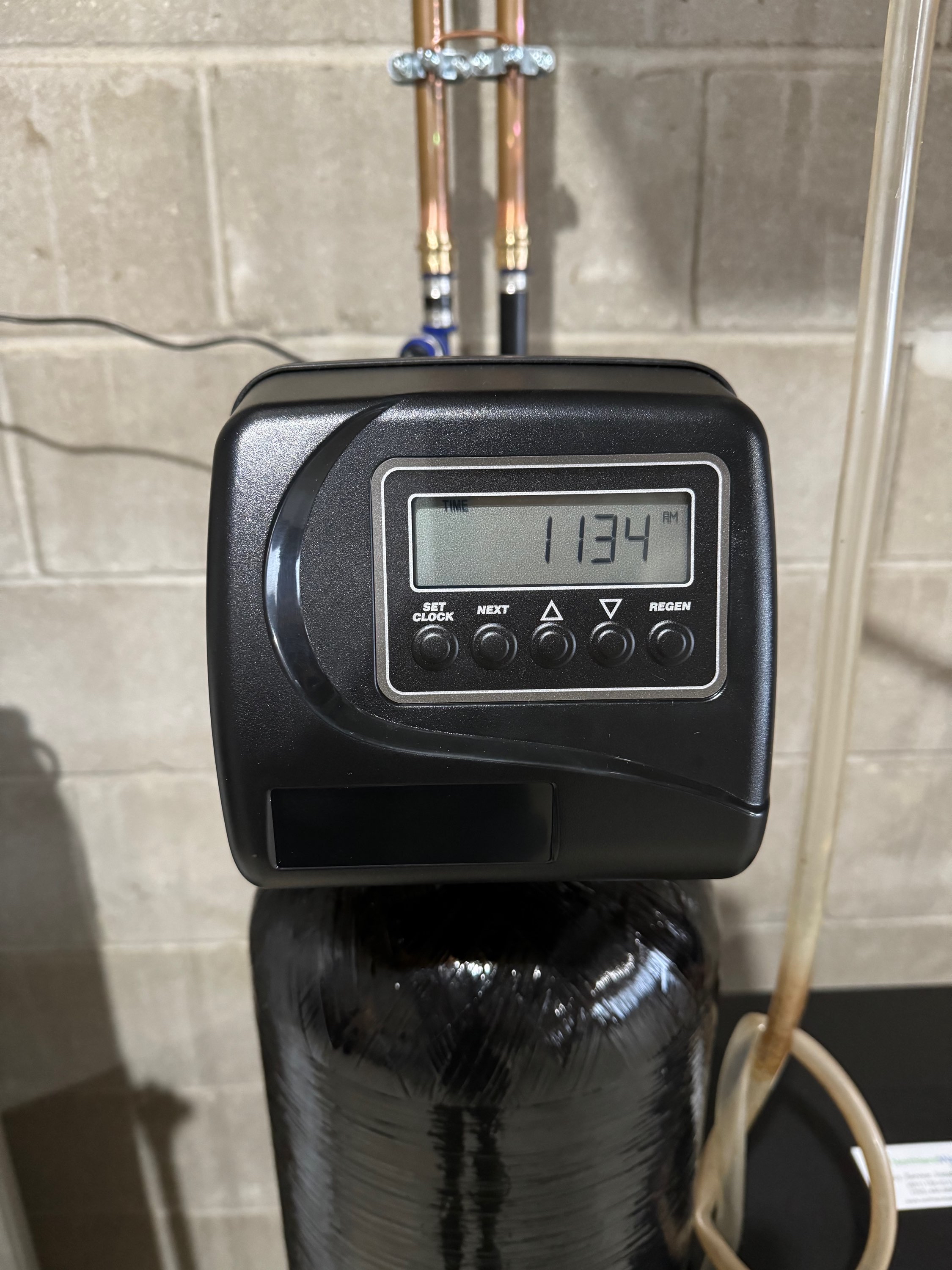
If you’ve noticed your water softener isn’t working quite right, you’re not alone. Many homeowners face this issue at some point. The good news? Fixing water softeners is often something you can handle yourself with a little guidance. I’m here to walk you through the process, step by step, so you can get your system back to delivering soft, clean water without the hassle of waiting for a technician.
Understanding the Basics of Fixing Water Softeners
Before diving into repairs, it helps to understand how your water softener works. At its core, a water softener removes minerals like calcium and magnesium from your water, preventing hard water problems such as scale buildup and dry skin. When your softener malfunctions, it usually means one of the key parts isn’t doing its job.
Common issues include:
Salt bridges or salt mushing in the brine tank
Clogged resin beads
Malfunctioning control valve
Problems with the regeneration cycle
Knowing these common problems can help you diagnose what’s wrong faster. For example, if your water feels hard again, it might be time to check the salt level or the regeneration settings.

Step-by-Step Guide to Fixing Water Softeners
Ready to roll up your sleeves? Here’s a straightforward guide to get your water softener back in shape.
1. Check the Salt Level and Condition
Start by opening the brine tank. Is the salt level low? If yes, add more salt. But don’t just pour in any salt. Use high-quality water softener salt to avoid impurities that can cause blockages.
Sometimes, salt forms a hard crust called a salt bridge. This prevents the salt from dissolving properly. To fix this, gently break the crust with a broom handle or similar tool. Be careful not to damage the tank.
2. Inspect the Resin Tank
The resin beads inside the tank are what actually soften your water. Over time, these beads can get clogged or worn out. If you notice your water is still hard after regeneration, the resin might need cleaning or replacement.
You can clean resin beads with a resin cleaner available at most hardware stores. Follow the instructions carefully. If cleaning doesn’t help, it might be time to replace the resin.
3. Examine the Control Valve and Timer
The control valve manages the regeneration cycle. If it’s stuck or broken, your softener won’t regenerate properly. Check for any visible damage or blockages.
Sometimes, simply resetting the timer or control panel can fix the issue. Refer to your softener’s manual for specific reset instructions.
4. Clean the Brine Tank
Over time, sediment and sludge can build up in the brine tank. This buildup can clog the system and reduce efficiency. Empty the tank, clean it with soapy water, rinse thoroughly, and refill with fresh salt.
5. Test the Water Hardness
After completing these steps, test your water hardness. You can buy a simple test kit online or at a local store. If the water is still hard, it might be time to call a professional.
If you want to learn more about water softener repair, this resource offers detailed insights and professional help options.
Does Softened Water Help with Eczema?
You might wonder if softened water can actually help with skin conditions like eczema. The answer is yes, it often can. Hard water contains minerals that can dry out your skin and irritate eczema. Softened water, by removing these minerals, tends to be gentler on sensitive skin.
Many people notice less itching and dryness after switching to softened water. It’s not a cure, but it can definitely improve your skin’s comfort. If you or someone in your home struggles with eczema, maintaining a properly working water softener is even more important.
Tips to Prevent Future Water Softener Problems
Once you’ve repaired your water softener, you’ll want to keep it running smoothly. Here are some easy tips:
Regularly check salt levels - Don’t let the salt run too low.
Use the right salt type - Avoid rock salt, which can cause buildup.
Schedule annual maintenance - A yearly checkup can catch issues early.
Keep the brine tank clean - Prevent sediment buildup.
Monitor water hardness - Test your water every few months.
By following these simple steps, you can extend the life of your water softener and enjoy soft water without interruptions.

When to Call a Professional for Water Softener Repair
Sometimes, despite your best efforts, the problem might be beyond a DIY fix. If you notice:
Persistent hard water after multiple attempts to fix
Leaks or unusual noises from the system
Control valve or electronic issues you can’t resolve
Resin replacement needed but unsure how to proceed
It’s a good idea to reach out to a trusted professional. They have the tools and expertise to diagnose and repair complex issues safely and efficiently.
Remember, regular maintenance and timely repairs keep your water softener working well and protect your home’s plumbing and appliances.
Fixing water softeners doesn’t have to be intimidating. With a little patience and the right steps, you can tackle many common problems yourself. And when you need extra help, professionals are just a call away. Here’s to enjoying soft, clean water every day!


Comments