
Selecting Top Water Softeners: Choosing the Best Water Softener for Your Needs
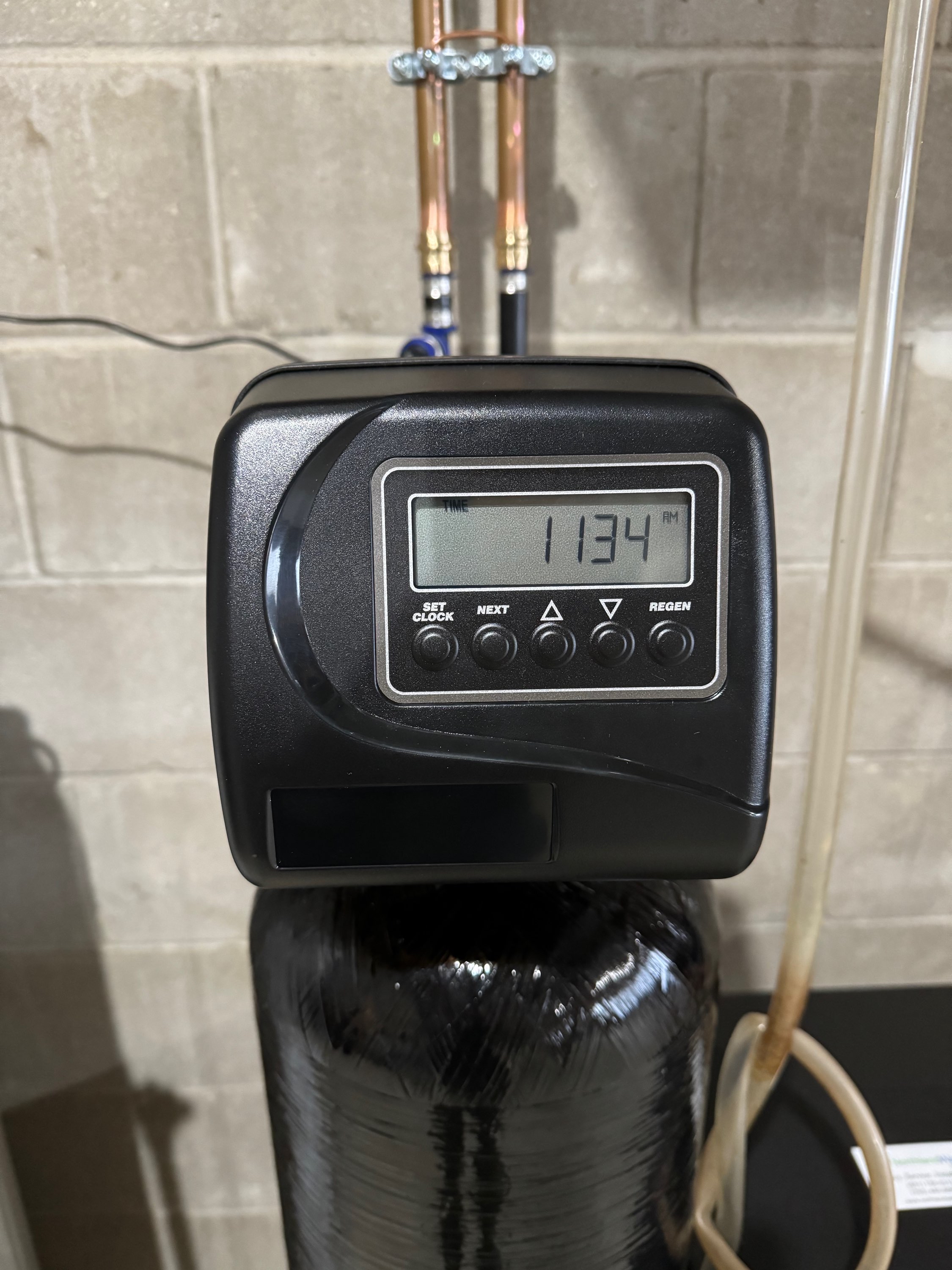
If you’ve ever noticed spots on your dishes, dry skin after a shower, or scale buildup on your faucets, you might be dealing with hard water. Hard water contains minerals like calcium and magnesium that can cause all sorts of problems around your home. That’s where a water softener comes in. But with so many options out there, how do you pick the right one? Let’s walk through the process together and make it simple.
Understanding Hard Water and Why You Need a Water Softener
Hard water isn’t harmful to your health, but it can be a real nuisance. It leaves mineral deposits on your plumbing fixtures, reduces the efficiency of your water heater, and makes soap less effective. Over time, these minerals can clog pipes and shorten the lifespan of your appliances.
Installing a water softener helps by removing those minerals, replacing them with sodium or potassium ions. This means softer water that’s gentler on your skin, clothes, and home systems. Plus, it can save you money on repairs and energy bills.
If you’re wondering whether you need a water softener, a simple water test can tell you the hardness level. Many local services offer this, or you can buy a test kit online.

Tips for Selecting Top Water Softeners for Your Home
Choosing the right water softener depends on several factors. Here’s what I recommend you consider:
1. Water Hardness Level
The harder your water, the more capacity your softener will need. Water hardness is measured in grains per gallon (GPG). For example:
0-3.5 GPG: Soft water, no softener needed
3.5-7 GPG: Moderate hardness, small softener may suffice
7+ GPG: Hard water, larger capacity softener recommended
Knowing your water hardness helps you pick a system that won’t be overworked or underperform.
2. Household Size and Water Usage
How many people live in your home? How much water do you use daily? A family of four uses more water than a single person, so you’ll need a softener with a higher grain capacity.
3. Types of Water Softeners
There are a few common types:
Salt-based ion exchange softeners: The most popular and effective. They swap hardness minerals for sodium.
Salt-free water conditioners: These don’t remove minerals but prevent them from sticking to surfaces. Good if you want to avoid salt.
Dual-tank softeners: Great for continuous soft water without downtime during regeneration.
Magnetic or electronic descalers: Controversial effectiveness; they alter mineral properties but don’t remove them.
4. Regeneration Process
Softening systems need to regenerate to flush out minerals. Some regenerate on a timer, others based on actual water usage. Demand-initiated regeneration is more efficient and saves salt and water.
5. Space and Installation
Consider where you’ll install the softener. Some units are compact, others require more room. Also, think about professional installation versus DIY.
6. Maintenance and Operating Costs
Salt-based systems require regular salt refills. Salt-free systems have less maintenance but may not soften water as effectively. Factor in ongoing costs when choosing.
Which Water Softener is the Best?
You might be asking, “Which water softener is the best?” The answer depends on your specific needs. However, I can share some general advice to help you narrow down your options.
Look for a system that matches your water hardness and household size. A unit with demand-initiated regeneration will save you money and hassle. Also, check for certifications like NSF/ANSI standards to ensure quality.
If you want a reliable, proven solution, a salt-based ion exchange softener is often the top choice. It effectively removes hardness minerals and improves water quality noticeably.
Remember, the best water softener for your home is one that fits your lifestyle, budget, and water conditions. For trusted options and expert advice, you can explore best water softener solutions tailored for your needs.

How to Maintain Your Water Softener for Long-Term Performance
Once you’ve chosen and installed your water softener, keeping it in good shape is key. Here are some simple maintenance tips:
Check salt levels regularly: Keep the brine tank at least half full of salt.
Use the right salt: Pellet or crystal salt designed for water softeners works best.
Clean the brine tank annually: Remove sediment and salt buildup.
Inspect for leaks or damage: Catch small issues before they become big problems.
Schedule professional servicing: A yearly checkup can extend your system’s life.
Proper maintenance ensures your softener runs efficiently and your water stays soft.
Making the Most of Your Soft Water
Soft water feels different right away. You’ll notice:
Softer skin and hair after showers
Less soap scum and spotting on dishes and fixtures
Clothes that stay brighter and last longer
Appliances that run more efficiently
To maximize benefits, use less soap and detergent since soft water lathers better. Also, keep an eye on your water usage and salt consumption to optimize your system’s settings.
Choosing the right water softener doesn’t have to be overwhelming. By understanding your water’s hardness, household needs, and the types of systems available, you can make a smart choice that improves your home’s water quality for years to come. If you want to explore trusted options and get expert guidance, check out best water softener solutions designed for your home. Your pipes, appliances, and skin will thank you!


Comments