
Testing Water Hardness at Home: A Simple Guide for Your Household
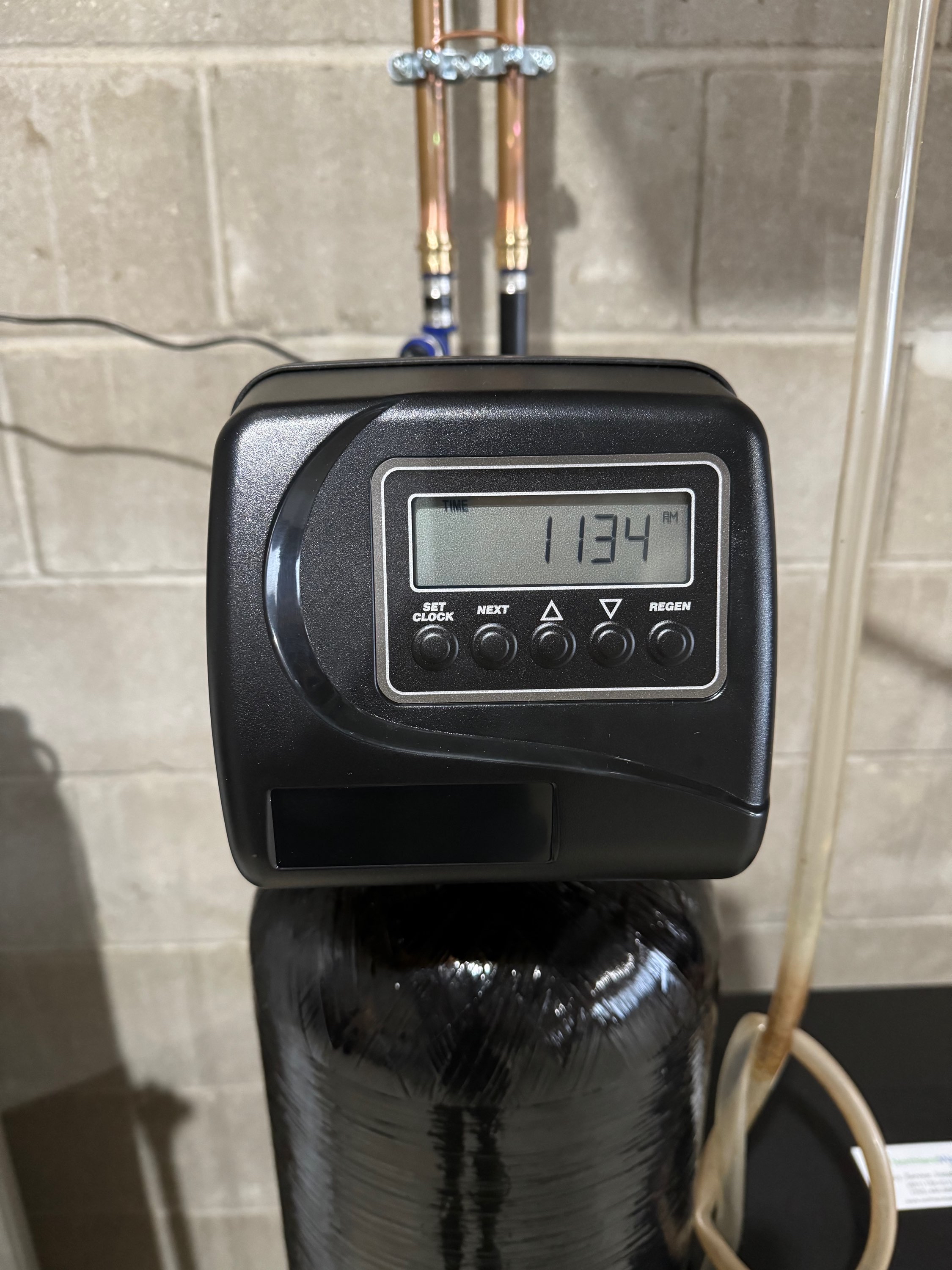
If you’ve ever noticed spots on your dishes, soap that doesn’t lather well, or even a chalky buildup on your faucets, you might be dealing with hard water. Understanding your water’s hardness is the first step toward solving these common household issues. Luckily, testing water hardness at home is easier than you might think. Let me walk you through everything you need to know to get started.
What Is Water Hardness and Why Does It Matter?
Water hardness refers to the amount of dissolved minerals, mainly calcium and magnesium, in your water. These minerals aren’t harmful to your health, but they can cause some frustrating problems around your home. Hard water can:
Leave white, chalky deposits on sinks, tubs, and appliances
Reduce the effectiveness of soaps and detergents
Cause buildup inside pipes and water heaters, leading to costly repairs
Make your skin feel dry and your hair dull after washing
Knowing your water hardness level helps you decide if you need a water softener or other treatment solutions. It also helps you protect your plumbing and appliances, saving you money in the long run.

How to Test Water Hardness at Home: Easy Methods You Can Try
You don’t need to be a scientist or call a professional to check your water hardness. There are simple, affordable ways to test it yourself. Here are some popular options:
1. Use a Water Hardness Test Kit
These kits are widely available online or at home improvement stores. They usually include test strips or liquid reagents that change color based on mineral content. Here’s how to use them:
Collect a sample of tap water in a clean container.
Dip the test strip into the water or add the reagent as instructed.
Wait for the color to develop (usually a few seconds to a minute).
Compare the color to the chart provided to determine hardness level, usually measured in grains per gallon (gpg) or parts per million (ppm).
Test kits are quick and give you a good estimate of your water hardness.
2. Soap Test at Home
This is a simple, no-cost way to get a rough idea of your water hardness:
Fill a clear bottle or jar halfway with water.
Add about 10 drops of pure liquid soap (not detergent).
Shake the bottle vigorously for 10-15 seconds.
Observe the bubbles and soap scum.
If you see lots of bubbles and no scum, your water is likely soft. If bubbles are few and there’s a cloudy film or scum, your water is hard.
3. Send a Sample to a Lab
For the most accurate results, you can collect a water sample and send it to a certified lab. This option is more expensive and takes longer but provides detailed information about your water quality, including hardness and other minerals.
If you want to learn more about how to test water hardness at home, check out this helpful resource that walks you through the process step-by-step.

Is Hard Water Good for Osteoporosis?
You might wonder if hard water has any health benefits, especially since it contains calcium and magnesium, which are essential minerals for bone health. Some studies suggest that drinking hard water can contribute a small amount of these minerals to your diet, potentially supporting bone strength and reducing the risk of osteoporosis.
However, the mineral content in hard water varies widely depending on your location and water source. It’s unlikely to replace the need for a balanced diet rich in calcium and vitamin D. So, while hard water might offer a minor benefit, it’s not a reliable source for preventing osteoporosis.
If you’re concerned about bone health, focus on nutrition and consult your healthcare provider for personalized advice.
What Are the Different Levels of Water Hardness?
Understanding the scale of water hardness helps you interpret your test results and decide on the best course of action. Water hardness is usually measured in grains per gallon (gpg) or parts per million (ppm). Here’s a simple breakdown:
| Hardness Level | Grains per Gallon (gpg) | Parts per Million (ppm) | Description |
|---------------------|-------------------------|------------------------|----------------------|
| Soft | 0 - 1.0 | 0 - 17 | Ideal for most uses |
| Slightly Hard | 1.0 - 3.5 | 17 - 60 | Minor issues |
| Moderately Hard | 3.5 - 7.0 | 60 - 120 | Noticeable effects |
| Hard | 7.0 - 10.5 | 120 - 180 | Causes buildup |
| Very Hard | Over 10.5 | Over 180 | Serious problems |
If your water tests as hard or very hard, it’s a good idea to consider a water softening system to protect your home and improve water quality.
How to Soften Hard Water and Improve Your Home’s Water Quality
Once you know your water hardness level, you can take steps to soften it. Here are some common solutions:
Water Softeners
These devices use ion exchange to remove calcium and magnesium from your water, replacing them with sodium or potassium ions. Water softeners are effective and widely used in homes with hard water. They help:
Prevent scale buildup in pipes and appliances
Improve soap and detergent performance
Make skin and hair feel softer
Salt-Free Water Conditioners
If you prefer to avoid adding salt to your water, salt-free conditioners use different technology to reduce scale buildup without removing minerals. They don’t soften water in the traditional sense but can help protect your plumbing.
Regular Maintenance
Even with softened water, it’s important to maintain your plumbing and appliances. Clean faucets and showerheads regularly to remove any mineral deposits. Check your water softener system as recommended by the manufacturer.
Final Thoughts on Testing and Managing Water Hardness
Testing your water hardness at home is a smart move that can save you time, money, and frustration. With simple test kits or even a soap test, you can quickly find out if your water is hard and take action accordingly. Remember, hard water isn’t just an inconvenience - it can affect your plumbing, appliances, and daily comfort.
By understanding your water quality and choosing the right treatment, you’ll enjoy cleaner dishes, softer skin, and longer-lasting home systems. If you’re ready to take control of your water hardness, start with a test today and explore the best solutions for your home.
Your water quality matters, and with a little effort, you can make sure it’s working for you - not against you.


Comments