
Troubleshooting Water Softeners: A Friendly Guide to Fixing Your System
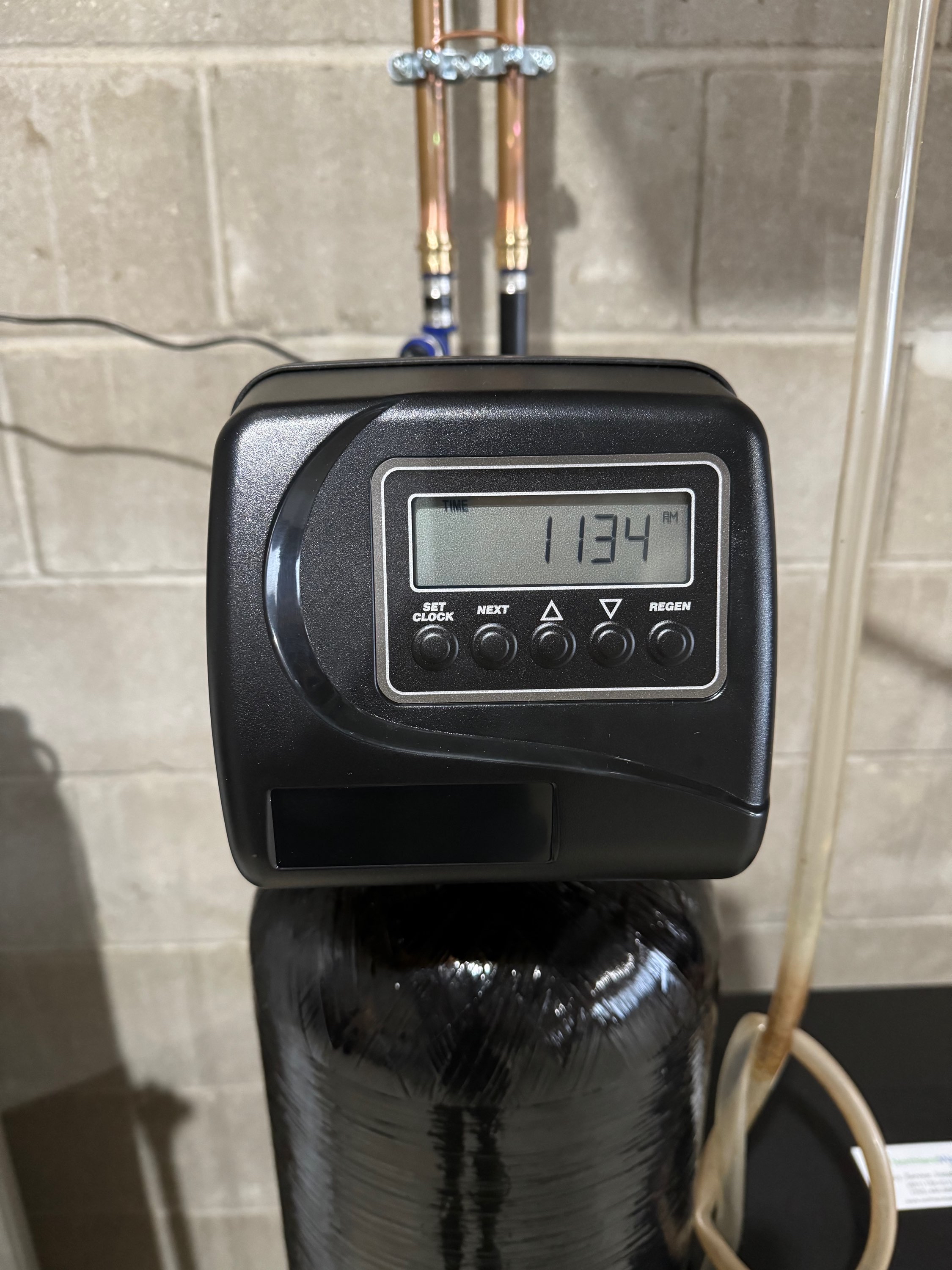
If you’ve ever noticed your water isn’t as soft as it used to be, or your appliances are showing signs of hard water damage, you might be facing some common issues with your water softener system. Don’t worry - I’ve been there, and I’m here to help you troubleshoot your water softener with simple, practical steps. Let’s dive into how you can identify problems and get your system back on track.
Understanding Common Issues When Troubleshooting Water Softeners
Water softeners are fantastic for improving water quality, but like any system, they can run into hiccups. Some common problems include:
Salt bridges: A hard crust forms in the brine tank, preventing salt from dissolving properly.
Salt mushing: Salt granules clump together at the bottom of the tank, blocking water flow.
Resin bead problems: Resin beads inside the softener tank can wear out or get clogged.
Control valve malfunctions: The timer or control valve might not be regenerating the system correctly.
Water pressure issues: Low or inconsistent water pressure can affect softener performance.
Each of these issues can cause your water softener to stop working efficiently. The good news? Most of these problems are easy to spot and fix with a little guidance.

How to Troubleshoot Water Softeners Step-by-Step
When you start troubleshooting your water softener, it helps to follow a clear process. Here’s a simple checklist you can use:
Check the salt level
Make sure there’s enough salt in the brine tank. If it’s low, add more. But don’t overfill it either - leave some space at the top.
Look for salt bridges
Gently tap the sides of the brine tank with a broom handle. If it sounds hollow or you can’t break through a hard crust, you might have a salt bridge. Carefully break it up with a broom handle or similar tool.
Inspect for salt mushing
If you notice a thick layer of wet salt at the bottom of the tank, that’s salt mushing. Scoop out the mushy salt and replace it with fresh salt.
Check the resin beads
Resin beads soften your water by trapping minerals. If your water is still hard, the beads might be worn out or fouled. You can test this by checking water hardness before and after the softener. If the beads are the issue, you may need to replace them or call a professional.
Examine the control valve and timer
Make sure the system is regenerating on schedule. If the timer is off or the valve is stuck, your softener won’t clean the resin beads properly. Reset the timer or manually initiate a regeneration cycle.
Test water pressure
Low water pressure can affect softener performance. Check your home’s water pressure and ensure it’s within the recommended range for your system.
By following these steps, you can often solve the problem yourself without needing a service call.
How Can You Tell If Your Water Softener Is Not Regenerating?
One of the most common issues is when your water softener stops regenerating. But how do you know if this is happening? Here are some signs to watch for:
Hard water symptoms return: You might notice spots on dishes, soap scum in the shower, or dry skin.
Salt level stays the same: If the salt in the brine tank never seems to go down, the system might not be using it.
No water flow sounds during regeneration: Normally, you’ll hear water moving during the regeneration cycle. Silence could mean the cycle isn’t running.
Error codes on digital displays: Some modern softeners show error messages if regeneration fails.
If you suspect your softener isn’t regenerating, try manually starting a regeneration cycle. If it doesn’t start or complete, check the control valve and timer settings. Sometimes, a simple reset or replacing the timer battery can fix the issue.

Tips to Prevent Future Water Softener Problems
Once you’ve fixed your water softener, you’ll want to keep it running smoothly. Here are some easy tips to help:
Use high-quality salt: Avoid cheap salt that can cause bridging or mushing.
Keep the brine tank clean: Check it every few months and clean out any buildup.
Schedule regular maintenance: Inspect your system annually or as recommended by the manufacturer.
Monitor water hardness: Test your water periodically to catch issues early.
Avoid overfilling the salt tank: Leave space for salt to dissolve properly.
By staying on top of these simple tasks, you’ll extend the life of your water softener and enjoy soft water without interruptions.
When to Call a Professional for Water Softener Troubleshooting
Sometimes, despite your best efforts, the problem might be more complex. If you’ve tried the steps above and your water softener still isn’t working right, it’s time to call in an expert. Professionals can:
Diagnose control valve or electronic issues
Replace worn resin beads
Perform deep cleaning and system flushing
Provide tailored advice for your specific water conditions
Remember, regular professional checkups can prevent many problems before they start. If you want peace of mind, scheduling a service with a trusted local company is a smart move.
If you want to learn more about water softener troubleshooting, check out helpful resources online or reach out to your local water treatment experts.
By understanding how your water softener works and knowing what to look for, you can keep your system running smoothly and enjoy the benefits of soft water every day. Don’t let small issues turn into big headaches - a little troubleshooting goes a long way!


Comments