
Water Softener Service and Repair: What to Know About Softener Repair Services
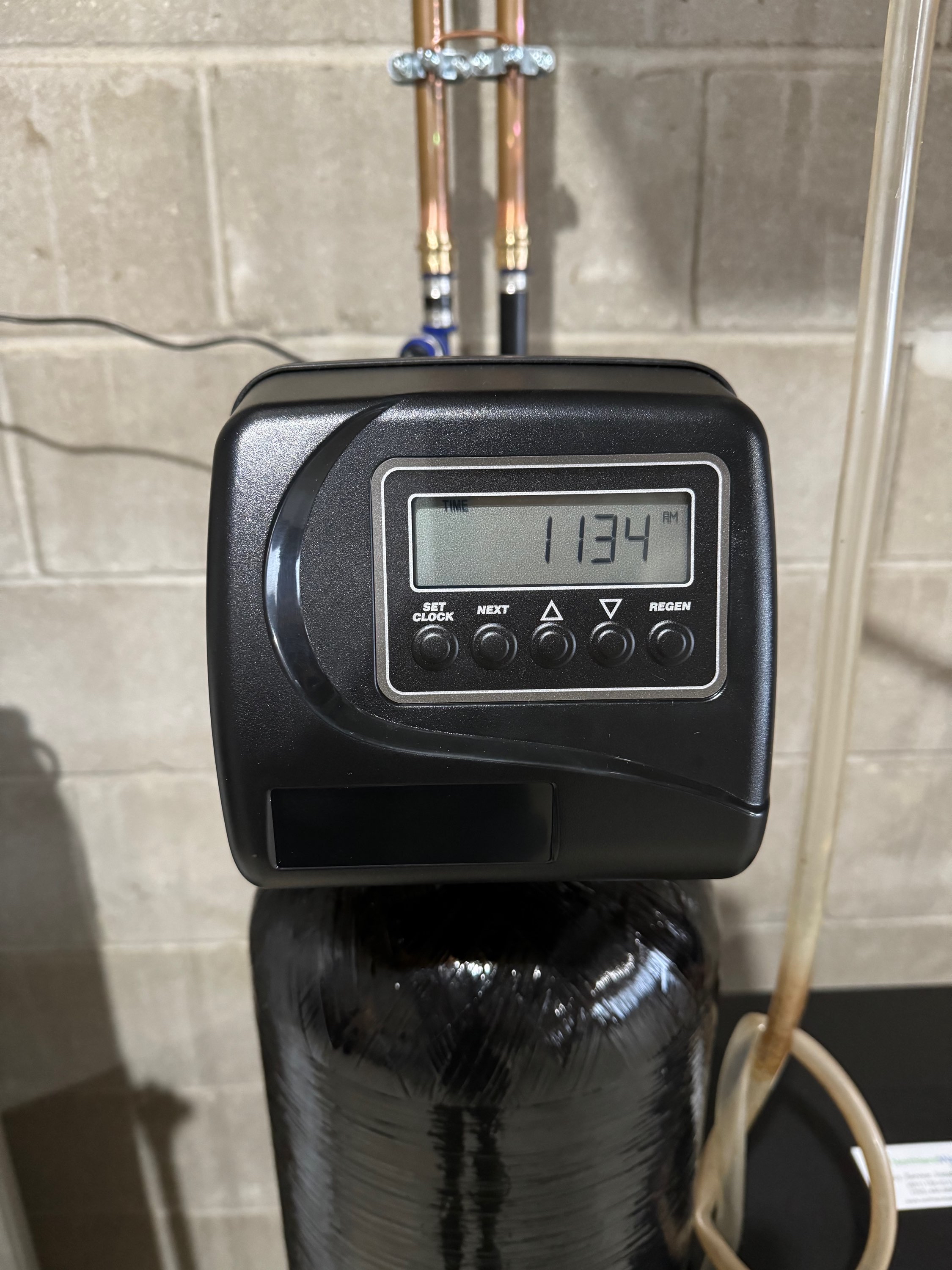
If you’ve ever dealt with hard water, you know how frustrating it can be. From spots on your dishes to dry skin and even damage to your plumbing, hard water causes a lot of headaches. That’s why many homeowners invest in water softeners. But like any home system, water softeners need care. When something goes wrong, knowing about softener repair services can save you time, money, and stress.
Let’s dive into what you should know about maintaining, servicing, and repairing your water softener.
Understanding Softener Repair Services: What They Include
When your water softener isn’t working right, you might wonder what kind of help is available. Softener repair services cover a range of fixes and maintenance tasks designed to keep your system running smoothly.
Here’s what these services typically include:
System inspection and diagnosis: A technician checks your water softener to find out what’s wrong.
Salt tank cleaning and refilling: Salt is essential for softening water, but the tank can get clogged or dirty.
Resin bed cleaning or replacement: The resin beads inside your softener trap minerals. Over time, they can wear out or get dirty.
Valve and control head repairs: These parts control the water flow and regeneration cycles.
Fixing leaks or replacing worn parts: Leaks can cause water damage and reduce efficiency.
Programming and calibration: Ensuring your softener regenerates at the right times and uses the correct amount of salt.
Regular maintenance can prevent many issues, but when problems arise, professional softener repair services are your best bet.

Signs You Need Softener Repair Services
How do you know when your water softener needs attention? Sometimes the signs are subtle, but catching them early can save you from bigger problems.
Look out for these common indicators:
Hard water symptoms return: Spots on dishes, soap scum, or dry skin mean your softener isn’t working.
Salt bridging or mushing: Salt forms a hard crust or mushy layer in the tank, preventing proper use.
Water softener runs constantly or not at all: This could mean a stuck valve or control issue.
Low water pressure: A clogged resin bed or valve problem can reduce flow.
Strange noises or leaks: Any unusual sounds or water pooling near the unit should be checked.
High salt usage: If you’re refilling salt more often than usual, something might be wrong.
If you notice any of these, it’s time to call for professional softener repair services. Don’t wait until the problem worsens.
Is it worth repairing a water softener?
You might be wondering if repairing your water softener is worth the cost or if it’s better to replace it. Here’s how I think about it:
Age of the system: If your softener is less than 10 years old, repairs usually make sense. Most units last 10-15 years.
Cost of repair vs. replacement: Simple fixes like replacing a valve or cleaning the resin bed are affordable. But if the control board or tank is damaged, replacement might be better.
Frequency of repairs: If you’re calling for repairs often, it might be time to upgrade.
Efficiency and performance: Newer models use less salt and water, saving money in the long run.
In many cases, a well-maintained water softener can be repaired and continue working efficiently for years. But if you’re unsure, a professional can help you weigh your options.

How to Maintain Your Water Softener Between Repairs
Preventing problems is always better than fixing them. You can do a lot to keep your water softener in good shape between professional visits.
Here are some simple tips:
Check salt levels regularly: Keep the salt tank at least half full. Use high-quality salt designed for water softeners.
Avoid salt bridges: Break up any hard crusts in the salt tank with a broom handle or similar tool.
Clean the brine tank once a year: Remove old salt and sludge to prevent clogs.
Use the right settings: Make sure your softener is programmed for your water hardness and household size.
Inspect for leaks or damage: Look under and around the unit regularly.
Schedule annual professional service: A technician can clean, inspect, and tune your system.
By following these steps, you’ll reduce the chances of needing emergency repairs and extend your softener’s life.
When to Call a Professional for Water Softener Service and Repair
Sometimes, DIY maintenance isn’t enough. When you face complex issues, it’s best to call in the experts. But how do you know when to make that call?
Consider professional help if:
Your softener won’t regenerate or cycles too often.
You see salt bridging that you can’t fix.
Water hardness returns despite adding salt.
You notice leaks or water damage near the unit.
The control panel or timer isn’t working.
You want a thorough annual checkup.
Professional technicians have the tools and knowledge to diagnose and fix problems quickly. Plus, they can offer advice on upgrades or replacements if needed.
If you want reliable, expert help, look for trusted local providers who focus on customer satisfaction and long-term relationships. That way, you get service you can count on.
Final Thoughts on Softener Repair Services
Taking care of your water softener is essential for enjoying soft, clean water every day. Knowing when and how to get softener repair services can save you headaches and keep your home running smoothly.
Remember, regular maintenance and early repairs are key. Don’t ignore signs of trouble. And when in doubt, reach out to a professional who understands your system and your needs.
By staying proactive, you’ll protect your investment and enjoy the benefits of softened water for years to come.
If you want to learn more about water softener service and repair, don’t hesitate to get in touch with experts who can guide you every step of the way. Your home deserves the best care, and so do you.


Comments