
Troubleshooting Water Softeners: Common Problems and Easy Fixes
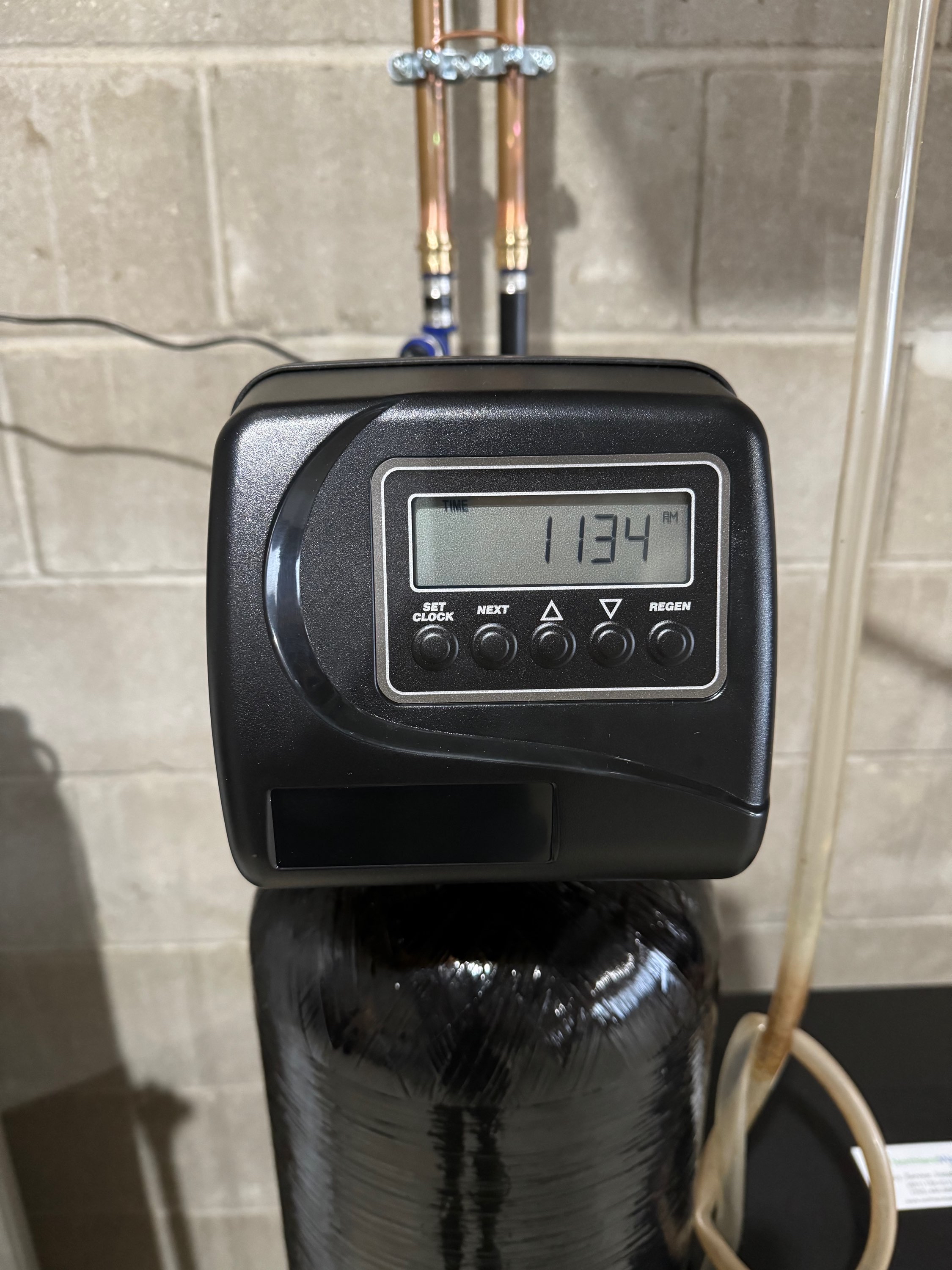
If you’ve ever dealt with hard water, you know how important a water softener is. It keeps your pipes clear, your appliances running smoothly, and your skin feeling soft. But what happens when your water softener starts acting up? Don’t worry - I’ve been there, and I’m here to help you troubleshoot common water softener problems with simple, practical advice.
Let’s dive into some of the most frequent issues and how you can fix them yourself before calling in a pro.
Troubleshooting Water Softeners: Where to Start
When your water softener isn’t working right, it can be frustrating. The first step is to identify the problem. Is your water still hard? Is the system making strange noises? Or maybe it’s not regenerating properly? These clues will help you narrow down the cause.
Here are some common issues and what you can do:
Salt bridging: This happens when salt forms a hard crust in the brine tank, preventing it from dissolving properly.
Salt mushing: A gooey layer of salt buildup at the bottom of the tank that blocks water flow.
Clogged resin bed: Over time, the resin beads that soften your water can get dirty or worn out.
Timer or control valve problems: If the system’s timer or control valve malfunctions, regeneration cycles may not run correctly.
Water pressure issues: Low water pressure can affect the softener’s performance.
Before you start poking around, make sure to turn off the water supply and unplug the unit for safety.

How to Fix Salt Bridging and Salt Mushing
Salt bridging is surprisingly common. It looks like a solid layer of salt floating above the water in the brine tank. This crust stops the salt from dissolving into the water, which means your softener can’t regenerate properly.
To fix salt bridging:
Use a broom handle or similar tool to gently break up the crust.
Scoop out any large chunks of salt.
Check the salt level and add more if needed.
Make sure to use high-quality salt designed for water softeners.
Salt mushing is a bit different. It’s a thick, sludgy layer of salt at the bottom of the tank. This can block the brine draw and cause your softener to stop working.
To clear salt mushing:
Empty the brine tank completely.
Rinse it out with clean water.
Refill with fresh salt and water.
Regularly checking your salt levels and cleaning the tank can prevent these issues from coming back.
How Can You Tell If Your Water Softener Is Not Regenerating?
One of the most important functions of your water softener is regeneration - the process where it flushes out the hard minerals and recharges the resin beads. If this isn’t happening, your water will stay hard.
Here are some signs your softener might not be regenerating:
Hard water spots on dishes and fixtures: If you notice spots or a filmy residue, your softener may not be working.
Water tastes or smells different: Hard water often has a metallic or chalky taste.
Salt level stays the same: If the salt in the brine tank never seems to go down, regeneration might not be occurring.
Softener doesn’t cycle at scheduled times: Check the timer or control panel for errors.
If you suspect regeneration issues, try manually initiating a regeneration cycle. Most units have a button or dial for this. If the cycle runs but the water remains hard, the problem could be with the resin beads or the control valve.

Checking and Cleaning the Resin Bed
The resin bed is the heart of your water softener. It’s filled with tiny beads that attract and hold onto hard minerals like calcium and magnesium. Over time, these beads can get clogged with iron, sediment, or other debris.
If your water softener isn’t softening water well, the resin bed might need cleaning or replacing.
To clean the resin bed:
Use a resin cleaner designed for water softeners. Follow the instructions carefully.
Run a manual regeneration cycle after adding the cleaner.
If cleaning doesn’t help, the resin may be worn out and need replacement.
Keep in mind that resin beads usually last 10-15 years, so if your system is older, this might be the issue.
When to Call a Professional for Water Softener Troubleshooting
Sometimes, despite your best efforts, the problem persists. If you’ve tried the fixes above and your water softener still isn’t working right, it might be time to call in an expert.
Professional technicians can:
Diagnose complex issues with timers, valves, or electronics.
Replace worn parts safely.
Perform thorough cleaning and maintenance.
Offer advice on system upgrades or replacements.
Remember, regular maintenance can prevent many common problems. Setting up an annual check-up with a trusted local service can save you time and money in the long run.
If you want to learn more about water softener troubleshooting, check out helpful guides and resources online or reach out to a local specialist.
Keeping Your Water Softener Running Smoothly
Maintaining your water softener doesn’t have to be a chore. Here are some simple tips to keep it in top shape:
Check salt levels monthly: Keep the brine tank at least half full of salt.
Use the right salt: Avoid rock salt, which can cause buildup.
Clean the brine tank yearly: Prevent salt bridges and mush.
Inspect the system for leaks or damage: Catch problems early.
Run manual regeneration cycles if needed: Especially after heavy water use.
By staying on top of these tasks, you’ll enjoy soft water without interruption.
Troubleshooting your water softener can feel overwhelming, but with a little know-how, you can solve many issues yourself. Remember, a well-maintained water softener means better water quality and longer-lasting appliances. If you ever feel stuck, don’t hesitate to get professional help. Your home’s water deserves the best care!


Comments