
Understanding Water Softener Cost Breakdown
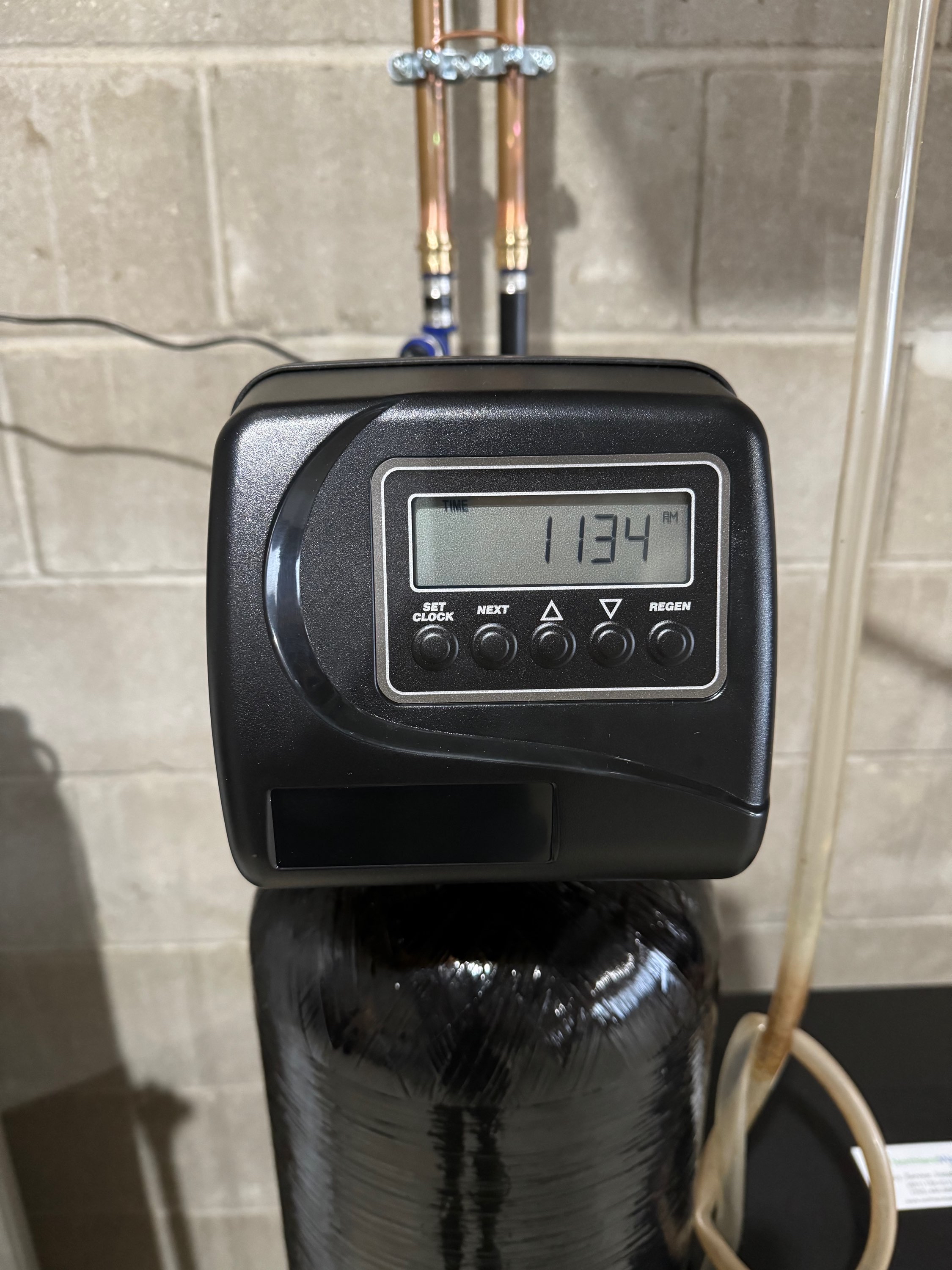
If you’ve ever noticed spots on your dishes or felt your skin getting dry after a shower, you might be dealing with hard water. Installing a water softener can make a big difference in your home’s water quality. But before you take the plunge, you probably want to know: how much does a water softener cost? Let’s break down the costs involved so you can make an informed decision.
What Factors Influence Water Softener Cost Breakdown?
Water softener prices can vary widely, and understanding what drives these costs helps you plan better. Here are the main factors that affect the price:
Type of Water Softener: There are different types, such as salt-based ion exchange, salt-free, and magnetic softeners. Salt-based systems tend to be more effective but can cost more upfront.
Capacity: The size of the unit depends on your household’s water usage and hardness level. Larger units cost more but handle more water.
Installation Complexity: If your plumbing is straightforward, installation is cheaper. But if your home needs extra plumbing work or electrical upgrades, expect higher costs.
Additional Features: Some models come with smart controls, timers, or efficiency settings that add to the price.
Maintenance and Operating Costs: Don’t forget ongoing expenses like salt refills and occasional servicing.
Knowing these factors helps you weigh your options and choose a system that fits your budget and needs.

Water Softener Cost Breakdown: What You Can Expect to Pay
Let’s get into the nitty-gritty of the numbers. Here’s a general breakdown of what you might spend on a water softener system:
1. Equipment Cost
Basic Salt-Based Systems: $400 to $1,500
These are the most common and effective for hard water. Prices vary by capacity and brand.
Salt-Free Systems: $800 to $2,500
These systems condition water without salt but may not be as effective in very hard water areas.
Magnetic or Electronic Softeners: $200 to $1,000
These are less common and their effectiveness is debated.
2. Installation Cost
Standard Installation: $300 to $600
This covers hooking up the system to your existing plumbing.
Complex Installation: $600 to $1,200+
If your home requires plumbing modifications or electrical work, expect higher costs.
3. Operating Costs
Salt Refills: $5 to $15 per 40-pound bag, used every 4 to 6 weeks depending on water usage.
Maintenance: Occasional servicing might cost $100 to $200 annually.
4. Additional Costs
Water Testing: $50 to $150
Testing your water hardness before purchase is a smart move.
Warranty and Service Plans: Optional but can add peace of mind.
When you add it all up, a typical water softener installation can range from $700 to $3,000 or more. It might seem like a big investment, but think about the long-term benefits like extending the life of your appliances and improving water quality.
If you want to explore more about how much does a water softener cost, this link offers detailed insights tailored for homeowners.
Can I Write Off a Water Softener on My Taxes?
You might wonder if installing a water softener qualifies for any tax deductions or credits. The answer depends on your situation and local regulations.
Medical Necessity: If a doctor prescribes a water softener for a medical condition, some costs might be deductible as a medical expense.
Energy Efficiency Credits: Some states offer incentives for water-saving or energy-efficient appliances, but water softeners typically don’t qualify.
Home Improvement Deductions: Generally, water softeners are considered home improvements and are not deductible, but they can increase your home’s value.
It’s always a good idea to check with a tax professional or your local tax authority to see if you qualify for any benefits.
How to Choose the Right Water Softener for Your Home
Choosing the right system isn’t just about price. Here are some tips to help you pick the best fit:
Test Your Water
Knowing your water hardness level helps you select the right capacity and type.
Consider Your Household Size
More people means more water usage, so choose a system that can handle your demand.
Think About Maintenance
Salt-based systems require regular salt refills. If you want low maintenance, salt-free might be better.
Look for Local Support
Choosing a company with good customer service in the Twin Cities area ensures you get help when needed.
Read Reviews and Ask for Recommendations
Word-of-mouth is powerful. Ask neighbors or friends about their experiences.
Taking these steps will help you avoid surprises and get the most value from your investment.

Making the Most of Your Water Softener Investment
Once you’ve installed your water softener, there are ways to maximize its benefits and lifespan:
Regularly Check Salt Levels
Keep the brine tank filled to ensure efficient operation.
Schedule Annual Maintenance
A yearly checkup can catch issues early and keep your system running smoothly.
Monitor Water Quality
Notice any changes in water taste or feel, which might indicate a problem.
Use Water Softener-Friendly Detergents
Some detergents work better with softened water, improving cleaning results.
Conserve Water
Softened water helps appliances last longer, but saving water overall is good for your bills and the environment.
By staying proactive, you’ll enjoy softer water and protect your home’s plumbing and appliances for years to come.
Planning Your Water Softener Purchase with Confidence
Investing in a water softener is a smart move for many homeowners dealing with hard water. Understanding the water softener cost breakdown helps you budget wisely and choose a system that fits your needs. Remember, the initial cost is just one part of the picture. Consider installation, maintenance, and operating expenses too.
If you’re ready to improve your water quality, take the time to research, test your water, and consult with trusted local experts. With the right information and support, you’ll enjoy the benefits of soft water without any surprises.
Feel free to reach out to local professionals who prioritize service and customer satisfaction. After all, a water softener is an investment in your home’s comfort and longevity. Why not make it a smooth and worry-free experience?


Comments