
Water Softener Maintenance Essentials: Tips for Maintaining Water Softeners
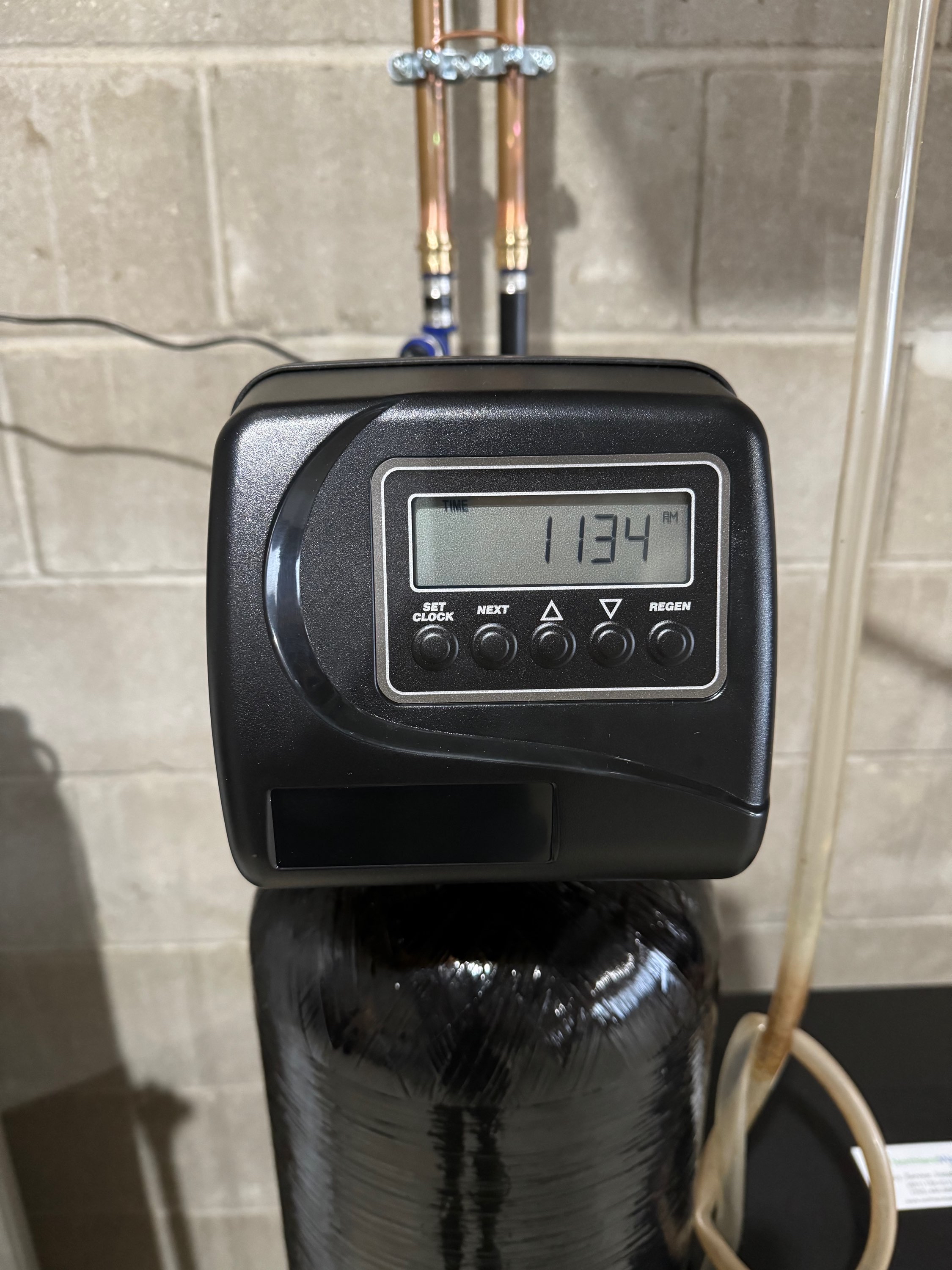
If you’ve invested in a water softener, you already know how much it improves your daily life. Softer water means less soap scum, shinier dishes, and even longer-lasting appliances. But like any home system, your water softener needs a little TLC to keep running smoothly. Don’t worry - maintaining water softeners is easier than you might think. I’m here to walk you through the essentials so you can enjoy the benefits without any hassle.
Why Maintaining Water Softeners Matters
You might wonder, why bother with regular upkeep? Well, think of your water softener as a hardworking member of your household team. It’s constantly filtering out minerals like calcium and magnesium that cause hard water problems. Over time, these minerals can build up inside the system, reducing its efficiency.
Regular maintenance helps you:
Extend the lifespan of your water softener
Keep water quality high and consistent
Prevent costly repairs down the road
Save money on energy and detergent by improving efficiency
Skipping maintenance can lead to salt bridges, clogged resin beads, or even system failure. But with a few simple steps, you can avoid all that.
How to Keep Your Water Softener in Top Shape
Let’s get practical. Here’s a straightforward checklist to keep your water softener humming along:
1. Check Salt Levels Regularly
Salt is the heart of your water softener’s regeneration process. Without enough salt, the system can’t recharge properly. I recommend checking the salt level at least once a month. If it’s low, add more salt pellets or crystals designed for water softeners.
Pro tip: Avoid using rock salt, which can contain impurities that clog your system.
2. Use the Right Salt Type
Not all salt is created equal. High-purity salt pellets or crystals dissolve better and leave less residue. This means fewer salt bridges and less maintenance for you.
3. Inspect for Salt Bridges
Salt bridges are hard crusts that form in the brine tank, preventing salt from dissolving in water. To check for a salt bridge, gently tap the salt surface with a broom handle. If it feels solid or hollow underneath, you might have a bridge.
Breaking up salt bridges is easy - just use a broom handle or similar tool to gently break the crust.
4. Clean the Brine Tank Annually
Over time, sediment and sludge can build up in the brine tank. Cleaning it once a year keeps everything running smoothly. Here’s how:
Turn off the water softener and unplug it
Empty the brine tank completely
Use warm water and mild soap to scrub the inside
Rinse thoroughly and refill with fresh salt
5. Check the Resin Bed
The resin beads inside your softener trap hard minerals. Occasionally, they need cleaning or replacement. If you notice your water feels hard again, it might be time to clean the resin bed with a resin cleaner or call a professional.
6. Program Your System Correctly
Make sure your water softener’s settings match your household’s water usage and hardness level. Incorrect programming can waste salt and water or reduce softening efficiency.
7. Schedule Professional Inspections
Even with regular DIY care, a yearly professional checkup can catch issues early. A technician can test water hardness, inspect components, and perform deep cleaning if needed.

Does Softened Water Help with Eczema?
You might be surprised to learn that softened water can actually help with skin conditions like eczema. Hard water contains minerals that can dry out your skin and irritate sensitive areas. When you switch to softened water, you reduce these minerals, which can:
Improve skin hydration
Reduce itching and irritation
Make soaps and lotions more effective
Many people with eczema notice a difference after installing a water softener. Of course, it’s not a cure-all, but it’s a simple step that can support healthier skin.
Troubleshooting Common Water Softener Issues
Even with good care, you might run into some hiccups. Here are a few common problems and how to fix them:
Salt Not Lasting Long
If you find yourself refilling salt more often than expected, check for salt bridges or leaks. Also, make sure your system isn’t regenerating too frequently due to incorrect settings.
Water Still Hard
This could mean the resin beads are exhausted or the system needs cleaning. Try a resin cleaner or call a pro for a resin bed inspection.
Water Softener Making Noise
Unusual noises can indicate mechanical issues or clogged valves. Turn off the system and inspect for debris or damage.
Water Softener Not Regenerating
Check the timer and settings. Sometimes a power outage or incorrect programming can stop regeneration cycles.
Tips for Long-Term Water Softener Care
Here are some extra tips to keep your system in great shape for years:
Use high-quality salt to reduce buildup
Avoid overfilling the brine tank
Keep the area around the softener clean and dry
Monitor water hardness periodically to catch changes early
Keep a maintenance log to track salt refills and cleanings
If you want to dive deeper into water softener maintenance, there are plenty of resources and experts ready to help.

Keeping Your Water Softener Running Smoothly
Maintaining your water softener doesn’t have to be a chore. With a little attention and care, you’ll enjoy soft water that makes life easier and more comfortable. Remember to check salt levels, clean the brine tank, and keep an eye out for any issues. And don’t hesitate to call in a professional for a yearly tune-up.
By staying on top of these essentials, you’ll protect your investment and keep your home’s water quality at its best. Soft water is a small luxury that pays off every day - so let’s keep it flowing!


Comments