
When to Get a Water Softener: Signs You Shouldn’t Ignore
If you’ve ever noticed your soap doesn’t lather well or your dishes come out spotty, you might be dealing with hard water. Hard water is common in many areas, including the Twin Cities, and it can cause a lot of frustration around the house. That’s where a water softener comes in. But how do you know when it’s time to get one? Let’s dive into the details and help you figure out if a water softener is right for your home.
When to Get a Water Softener: Key Indicators
Knowing when to get a water softener can save you time, money, and hassle. Hard water contains minerals like calcium and magnesium that build up in your pipes, appliances, and even on your skin. Over time, this buildup can cause damage and reduce efficiency.
Here are some clear signs that it might be time to consider a water softener:
Soap scum and residue: If you notice a filmy layer on your sinks, tubs, or shower doors, that’s a classic sign of hard water.
Spotty dishes and glassware: After washing, do your glasses have white spots or a cloudy appearance? Hard water minerals are often the culprit.
Dry skin and hair: Hard water can leave your skin feeling dry and your hair looking dull or brittle.
Scale buildup on appliances: If your water heater, dishwasher, or washing machine has white, crusty deposits, hard water is likely the cause.
Reduced water flow: Mineral deposits can clog pipes, leading to lower water pressure.
Recognizing these signs early can help you avoid costly repairs and improve your home’s water quality.

Soap scum buildup is a common sign of hard water.
How Do You Know If You Need a Water Softener or Not?
You might be wondering, “How do I really know if I need a water softener?” The answer lies in testing and observation.
First, you can perform a simple at-home test. Fill a clear bottle with water from your tap, add a few drops of liquid soap, and shake it. If the water doesn’t produce much suds and looks cloudy or milky, your water is likely hard.
For a more accurate assessment, consider getting a professional water test. This will measure the hardness level and other minerals in your water. Water hardness is usually measured in grains per gallon (gpg). Here’s a quick guide:
0-3.5 gpg: Soft water
3.5-7 gpg: Moderately hard water
7-10.5 gpg: Hard water
Over 10.5 gpg: Very hard water
If your water tests above 7 gpg, it’s a strong indication that a water softener could benefit your home.
Another way to know is by paying attention to your water bills and appliance performance. Hard water can cause your water heater to work harder, increasing energy costs. If you notice a spike in your bills or your appliances aren’t lasting as long as they should, hard water might be the reason.
What Happens If You Don’t Soften Hard Water?
Ignoring hard water can lead to several problems that affect your home and daily life. Here’s what you might face:
Clogged pipes and reduced water flow: Mineral deposits narrow your pipes, which can cause leaks or bursts over time.
Shortened appliance lifespan: Water heaters, dishwashers, and washing machines can fail prematurely due to scale buildup.
Higher energy bills: Appliances have to work harder to heat or clean with hard water, using more electricity or gas.
Unpleasant skin and hair issues: Hard water can strip natural oils, leaving your skin itchy and your hair lifeless.
Laundry problems: Clothes washed in hard water may feel stiff, fade faster, or develop a dingy look.
By addressing hard water early with a water softener, you can avoid these headaches and protect your home investment.

Scale buildup inside water heaters reduces efficiency and lifespan.
How a Water Softener Works and What to Expect
A water softener works by removing the minerals that cause hardness. Most systems use a process called ion exchange. Here’s a simple breakdown:
Hard water enters the softener tank.
The tank contains resin beads charged with sodium or potassium ions.
Calcium and magnesium ions in the water swap places with the sodium or potassium ions on the beads.
Softened water flows out to your home, free of hardness minerals.
You’ll notice softer water right away. Soap will lather better, your skin will feel smoother, and your appliances will run more efficiently.
Maintenance is straightforward. You’ll need to add salt or potassium pellets to the system regularly, depending on your model. Most systems also have a regeneration cycle that cleans the resin beads automatically.
Making the Decision: Is a Water Softener Right for You?
Deciding to install a water softener is a smart move if you’ve spotted any of the common signs or tested your water and found it hard. It’s an investment that pays off in comfort, savings, and peace of mind.
If you’re still unsure, think about your daily water use and how hard water affects your routine. Are you tired of scrubbing soap scum? Do your clothes feel rough after washing? Are your energy bills creeping up? These are all clues.
Remember, the signs you need a water softener are often subtle at first but become more obvious over time. Taking action now can prevent bigger problems later.
If you live in the Twin Cities area, local water conditions often mean hard water is a common issue. Getting a water softener tailored to your home’s needs can make a big difference.
Taking the Next Step Toward Softer Water
Ready to enjoy the benefits of soft water? Start by testing your water or consulting a local expert who understands the Twin Cities water quality. They can recommend the best system for your home and lifestyle.
Installing a water softener is easier than you might think, and the results are worth it. You’ll save money on repairs, enjoy cleaner dishes, softer skin, and longer-lasting appliances.
Don’t wait until hard water causes costly damage. Take control of your water quality today and experience the difference a water softener can make.

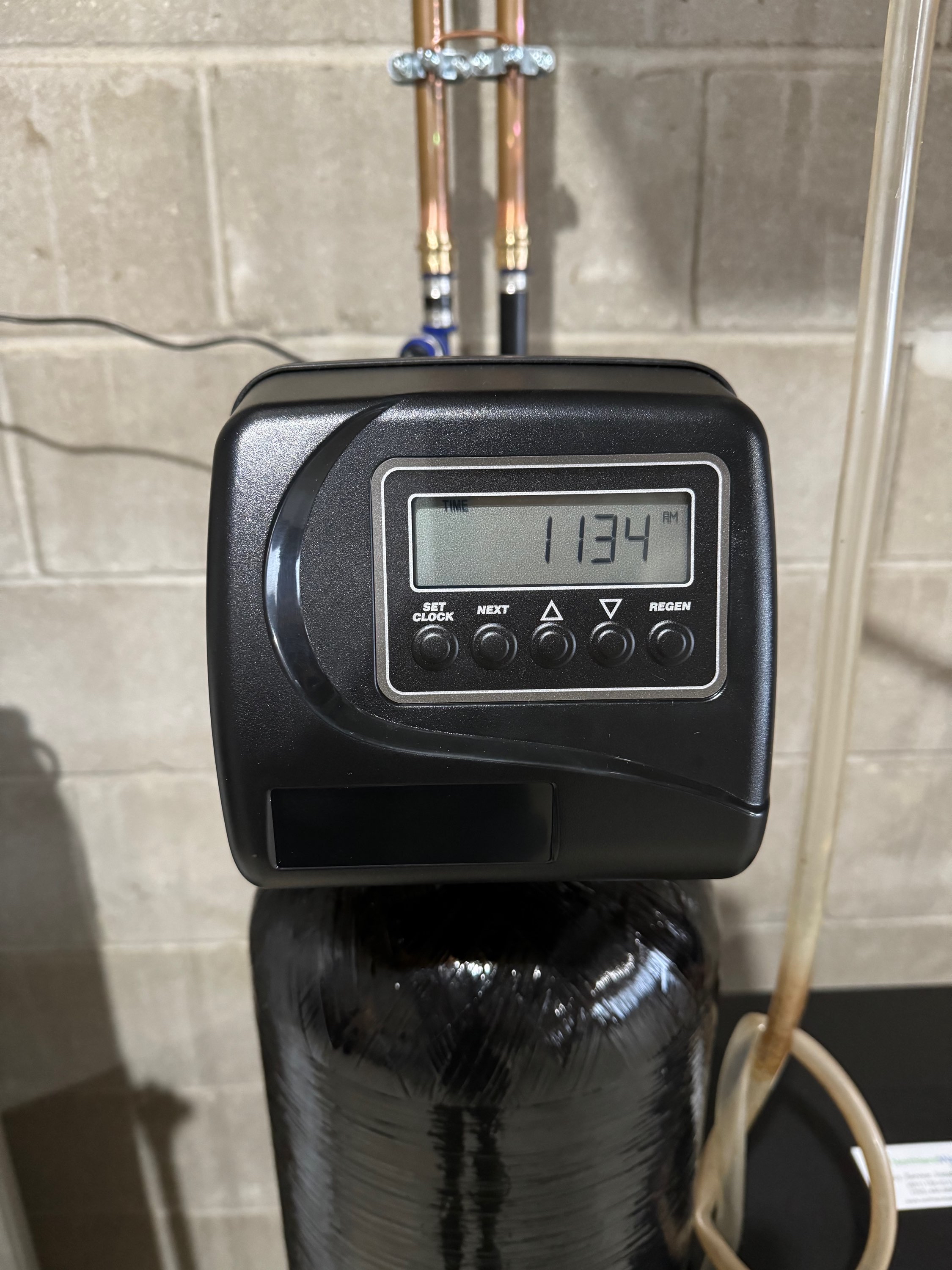
Water softener system installed in a home basement for improved water quality.
Soft water isn’t just a luxury - it’s a practical solution for many homeowners. By recognizing the signs and knowing when to get a water softener, you’re taking a big step toward a healthier, more comfortable home.


Comments