
Choosing the Best Water Softener for Your Home: Top Water Softener Choices
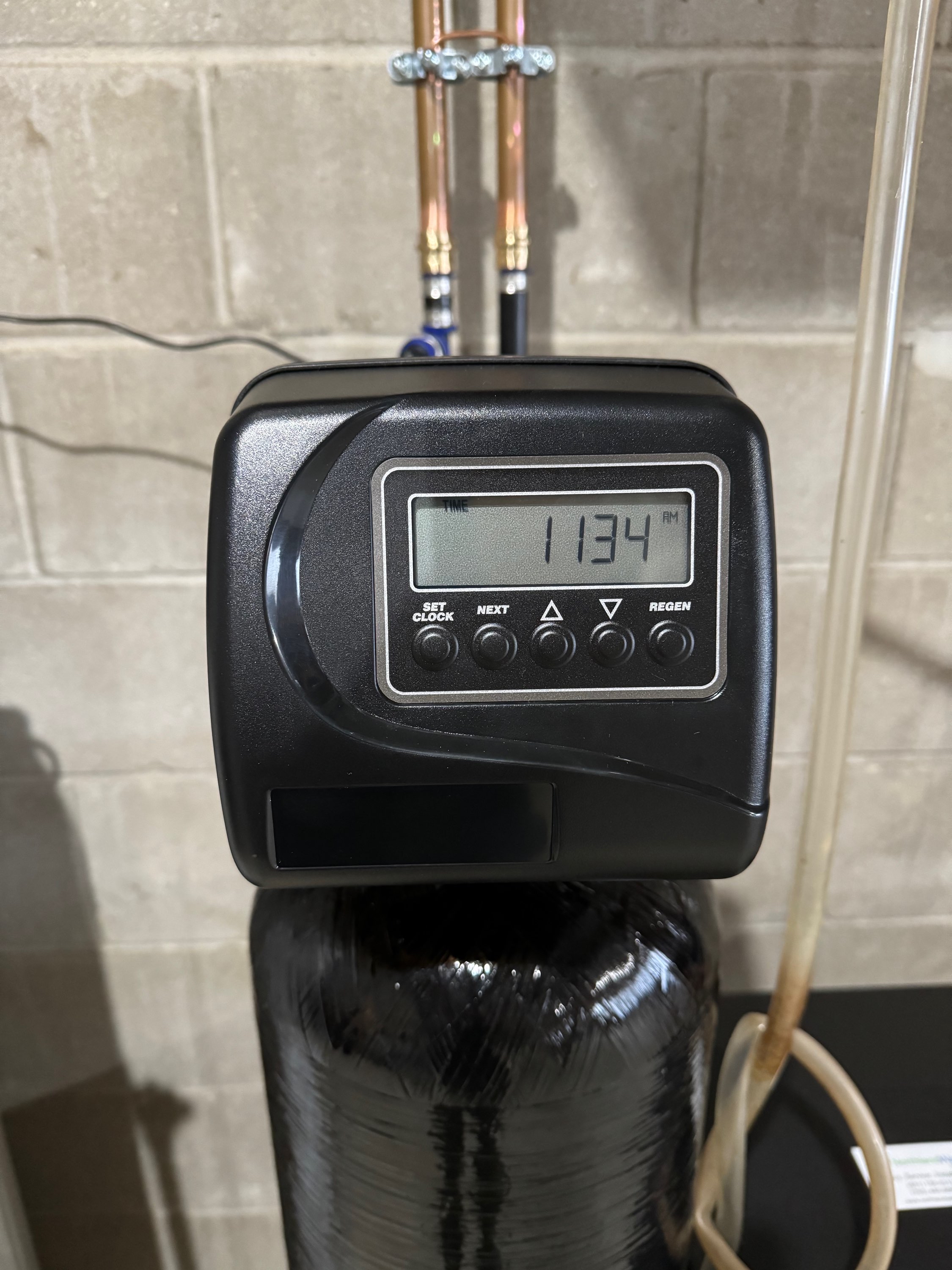
If you’ve ever noticed spots on your dishes, dry skin after a shower, or scale buildup on your faucets, you might be dealing with hard water. Hard water contains minerals like calcium and magnesium that can cause all sorts of problems around your home. That’s where a water softener comes in. But with so many options out there, how do you pick the right one? Let’s explore the top water softener choices and help you find the perfect fit for your home.
Understanding Your Water Softening Needs
Before diving into the different types of water softeners, it’s important to understand what you need. Hard water varies in intensity depending on your location, and the Twin Cities area is no exception. Knowing your water’s hardness level can guide you in choosing a system that works best.
You can get a water test kit or have a professional test your water. This will tell you how many grains per gallon (GPG) of hardness minerals are present. The higher the number, the stronger the water softener you’ll need.
Also, consider your household size and water usage. A family of four will use more water than a single person, so your system should be sized accordingly. Don’t forget to think about your budget and maintenance preferences too.
Top Water Softener Choices for Your Home
When it comes to water softeners, there are several types to consider. Each has its pros and cons, so let’s break down the most popular options:
Salt-Based Ion Exchange Softeners
These are the most common and effective water softeners. They work by swapping hardness minerals with sodium or potassium ions. The result? Soft water that’s gentle on your skin, appliances, and plumbing.
Pros:
Highly effective at removing hardness
Long-lasting and reliable
Easy to maintain with regular salt refills
Cons:
Requires salt, which means ongoing costs
Not ideal for people on low-sodium diets (though potassium-based options exist)
Needs space for the salt tank
Salt-Free Water Conditioners
Salt-free systems don’t actually remove hardness minerals but condition them to prevent scale buildup. They use a process called template-assisted crystallization (TAC) to change the minerals’ structure.
Pros:
No salt or chemicals needed
Low maintenance
Environmentally friendly
Cons:
Doesn’t soften water in the traditional sense
May not be as effective in very hard water areas
Dual-Tank Water Softeners
If you want uninterrupted soft water, dual-tank systems are a great choice. While one tank regenerates, the other continues to soften water, so you never run out.
Pros:
Continuous soft water supply
Ideal for large households or heavy water users
Cons:
Higher upfront cost
Larger footprint in your home
Magnetic and Electronic Water Softeners
These devices claim to alter the properties of hardness minerals using magnetic or electronic fields. However, their effectiveness is debated.
Pros:
Easy to install
No salt or chemicals
Cons:
Limited scientific support for effectiveness
May not work well in all water conditions
Can I Write Off a Water Softener on My Taxes?
You might be wondering if installing a water softener qualifies for any tax deductions or credits. Generally, water softeners are considered personal home improvements and do not qualify for tax write-offs. However, there are a few exceptions worth noting:
If you use the water softener for a home-based business, you might be able to deduct it as a business expense.
Some local or state programs offer rebates or incentives for water-saving or environmentally friendly appliances, so it’s worth checking with your local government or utility company.
If your water softener is part of a larger energy-efficient home improvement project, consult a tax professional to see if any credits apply.
In most cases, though, the cost of a water softener is a personal expense. But think of it as an investment in your home’s plumbing and your family’s comfort.
How to Choose the Best Water Softener for Your Home
Now that you know the types of water softeners and some tax info, how do you pick the right one? Here are some practical tips:
Test Your Water: Start with a water hardness test to understand your needs.
Assess Your Water Usage: Calculate how much water your household uses daily.
Consider Space: Make sure you have enough room for the system and salt storage if needed.
Think About Maintenance: Some systems require more upkeep than others.
Check Local Water Quality: Some systems work better with certain water conditions.
Look for Certifications: Choose systems certified by organizations like NSF International for quality assurance.
Read Reviews and Ask for Recommendations: Hearing from other homeowners can be invaluable.
If you want to explore options, you can check out the best water softener choices available in the Twin Cities area. Remember, the right system will save you money and hassle in the long run.
Maintaining Your Water Softener for Long-Term Performance
Once you’ve installed your water softener, keeping it in good shape is key. Here’s how to maintain it:
Refill Salt Regularly: Check the salt level monthly and refill as needed.
Clean the Brine Tank: Once a year, clean out any salt bridges or sludge.
Inspect for Leaks: Look for any leaks or corrosion around the system.
Schedule Professional Service: Have a water treatment expert inspect your system every couple of years.
Monitor Water Quality: Keep an eye on your water’s softness and taste.
Proper maintenance ensures your system runs efficiently and lasts for years.
Why Investing in a Water Softener Makes Sense
Choosing a water softener is more than just fixing hard water problems. It’s about protecting your home’s plumbing, extending the life of appliances, and improving your family’s daily comfort. Soft water means less soap scum, cleaner dishes, and smoother skin.
Plus, a good water softener can save you money on energy bills because appliances like water heaters work more efficiently without scale buildup. It’s a smart investment that pays off over time.
If you’re ready to take the next step, consider reaching out to a trusted local expert who understands the unique water conditions in the Twin Cities. They can help you find the perfect system and provide ongoing support.
Choosing the right water softener doesn’t have to be overwhelming. With a little research and the right guidance, you can enjoy the benefits of soft water every day. Whether you opt for a salt-based system, a salt-free conditioner, or a dual-tank setup, the key is finding what fits your home and lifestyle best. Here’s to softer water and happier living!


Comments