
The Importance of Maintaining Water Softeners for Your Home
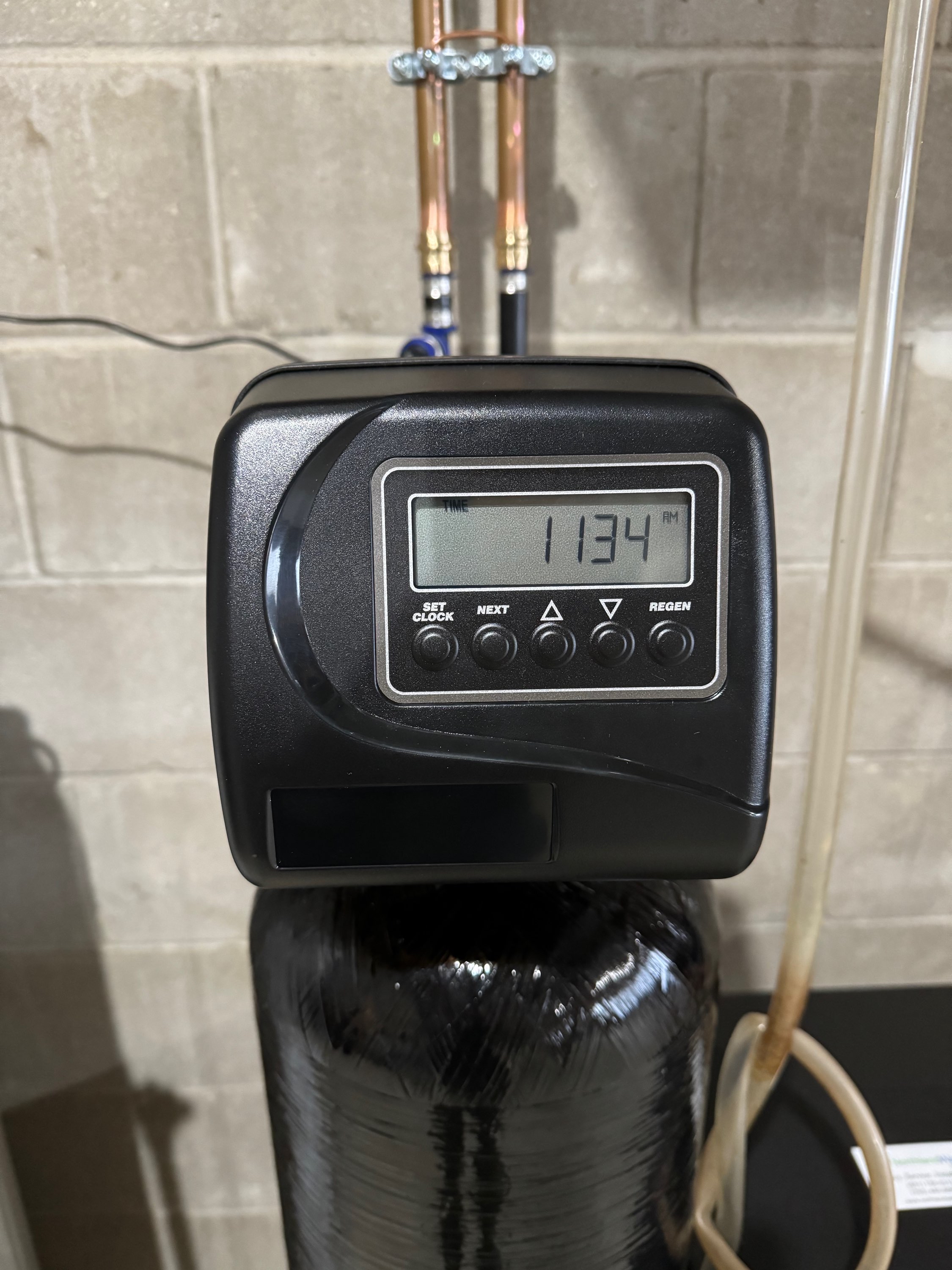
If you’ve invested in a water softener, you already know how much it improves your daily life. Softer water means less scale buildup, cleaner dishes, and smoother skin. But have you ever thought about what it takes to keep your water softener running smoothly? Regular maintenance is key to making sure your system works efficiently and lasts for years. Let’s dive into why maintaining water softeners is so important and how you can keep yours in top shape.
Why Maintaining Water Softeners Matters
Water softeners do a fantastic job of removing hard minerals like calcium and magnesium from your water. But over time, these minerals can build up inside the system, causing it to work harder or even break down. When you maintain your water softener regularly, you prevent these issues before they start.
Think about it this way: would you skip oil changes for your car? Probably not. Your water softener needs similar care. Regular upkeep helps:
Extend the lifespan of your system
Improve water quality throughout your home
Save money on repairs and energy bills
Prevent damage to your plumbing and appliances
By staying on top of maintenance, you’re protecting your investment and ensuring your home enjoys the benefits of soft water every day.

How to Keep Your Water Softener in Great Shape
Maintaining water softeners doesn’t have to be complicated. Here are some practical steps you can take to keep your system running smoothly:
Check Salt Levels Regularly
Salt is the heart of your water softener. It helps regenerate the resin beads that trap hard minerals. Make it a habit to check the salt level at least once a month. If it’s low, add more salt to keep the system working efficiently.
Use the Right Salt
Not all salt is created equal. Choose high-quality salt pellets or crystals designed for water softeners. Avoid rock salt, which can contain impurities that clog your system.
Clean the Brine Tank Annually
Over time, the brine tank can accumulate sludge or salt bridges (hardened salt crusts). These block the salt from dissolving properly. Cleaning the tank once a year helps prevent these issues.
Inspect for Salt Bridges and Mushing
Salt bridges form when salt hardens into a solid layer, while mushing is a thick sludge at the bottom of the tank. Both can stop your softener from regenerating correctly. Gently break up salt bridges with a broom handle or similar tool.
Check the Resin Beads
Resin beads do the heavy lifting by trapping hard minerals. Over time, they can wear out or become less effective. If you notice your water getting hard again, it might be time to replace the resin.
Schedule Professional Tune-Ups
Even with regular care, it’s smart to have a professional inspect your system every couple of years. They can spot issues you might miss and perform deeper cleaning or repairs.
Can you service a water softener yourself?
You might be wondering if you can handle all this maintenance on your own. The good news is, many routine tasks are simple enough for homeowners to do. Checking salt levels, adding salt, and breaking up salt bridges are all straightforward.
However, some parts of water softener maintenance require a bit more know-how. For example:
Cleaning the brine tank thoroughly
Replacing resin beads
Fixing control valve issues
These tasks might be better left to professionals, especially if you’re not comfortable working with plumbing or electrical components. Remember, a little care goes a long way, but don’t hesitate to call in an expert when needed.

Signs Your Water Softener Needs Attention
How do you know when your water softener needs maintenance? Here are some common signs to watch for:
Hard water spots on dishes and glassware
Soap not lathering well
Dry or itchy skin after showering
Scale buildup on faucets and appliances
Salt levels dropping unusually fast
Water tastes or smells different
If you notice any of these, it’s time to check your system. Sometimes a quick salt refill is all it takes. Other times, you might need a deeper clean or professional service.
Why Regular Water Softener Maintenance Saves You Money
You might think skipping maintenance saves money, but it often costs more in the long run. When your water softener isn’t working right, hard minerals can damage your plumbing and appliances. That means:
Higher energy bills from inefficient water heaters
Shorter lifespan for dishwashers, washing machines, and faucets
Costly repairs or replacements
By investing a little time and effort into regular upkeep, you avoid these headaches. Plus, your water softener will use salt and water more efficiently, saving you money on supplies.
If you want to learn more about how to keep your system in top shape, check out this helpful resource on water softener maintenance.
Keeping Your Water Softener Happy and Healthy
Maintaining water softeners is easier than you might think. With a few simple steps and some regular attention, you can keep your system running smoothly for years. Remember to:
Check and refill salt regularly
Clean the brine tank annually
Watch for signs of trouble
Call a professional when needed
Your water softener works hard to give you soft, clean water every day. Returning the favor with regular care ensures it keeps doing just that. So why wait? Start your maintenance routine today and enjoy the benefits of soft water all year long.


Comments