
Essential Tips for Softener System Upkeep
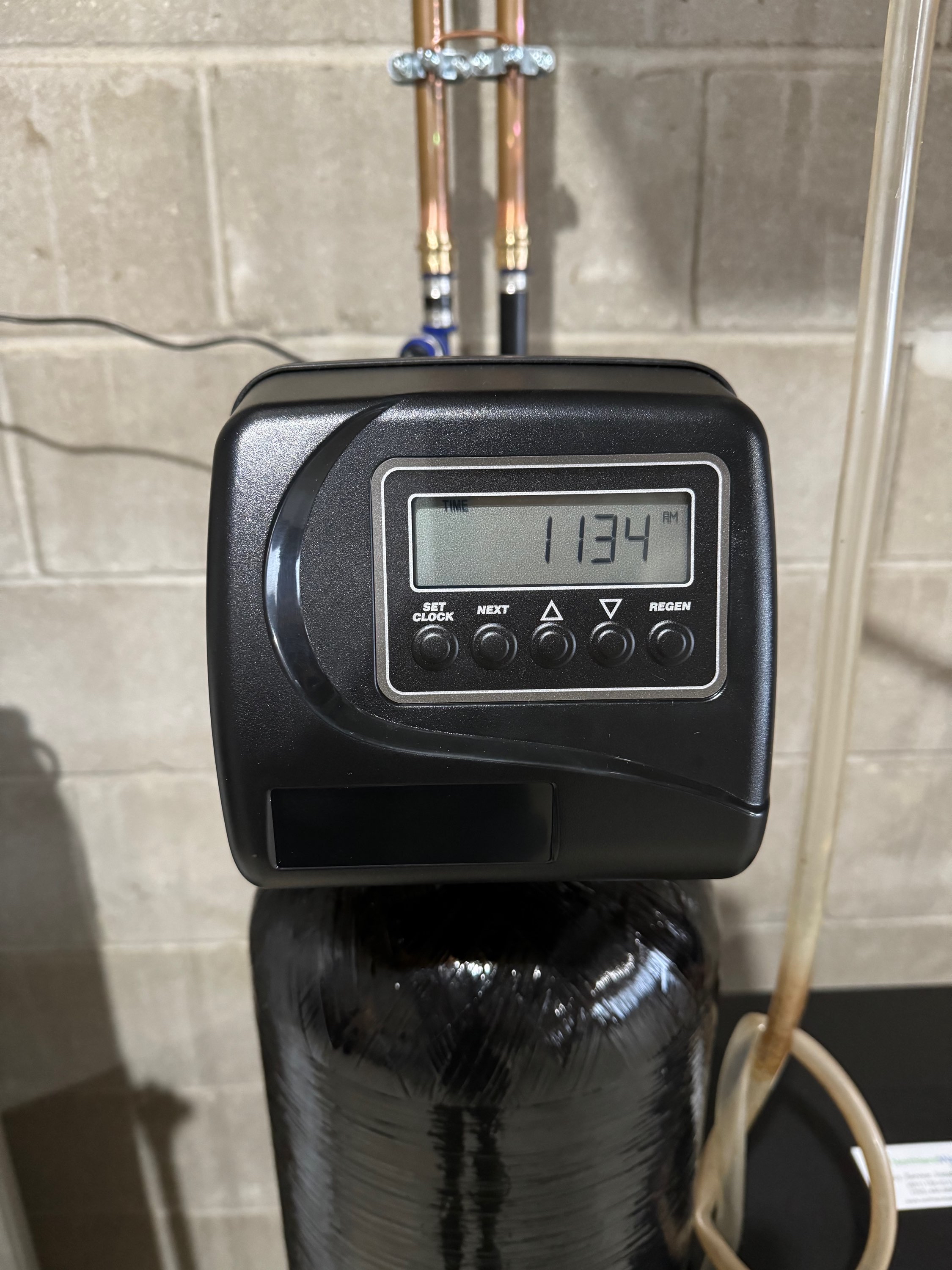
If you’ve invested in a water softener system, you already know how much it improves your daily life. Softer water means less soap scum, shinier dishes, and even longer-lasting appliances. But like any home system, your water softener needs a little TLC to keep running smoothly. I’m here to share some essential tips for softener system upkeep that will help you avoid costly repairs and keep your water feeling great.
Why Softener System Upkeep Matters
Taking care of your water softener system is not just about preventing breakdowns. It’s about maintaining the quality of your water and protecting your home’s plumbing. When you skip regular upkeep, minerals like calcium and magnesium can build up inside the system. This buildup reduces efficiency and can cause your softener to stop working altogether.
Here’s what I’ve learned: a little effort goes a long way. Regular maintenance keeps your system running efficiently, saves you money on energy and repairs, and ensures your water stays soft and clean. Plus, it’s easier than you might think.
How to Perform Softener System Upkeep
Let’s get into the practical steps you can take to keep your water softener in top shape. These tips are straightforward and don’t require any special tools.
1. Check Salt Levels Regularly
Your water softener uses salt to remove hard minerals from your water. If the salt level drops too low, the system can’t regenerate properly. I recommend checking the salt level at least once a month.
Open the brine tank and look inside.
If the salt is below half full, add more.
Use high-quality salt pellets designed for water softeners.
Avoid letting the salt sit too long without use, as it can form a crust or bridge, which blocks the salt from dissolving properly.
2. Clean the Brine Tank Annually
Over time, sediment and impurities can build up in the brine tank. Cleaning it once a year helps prevent clogs and keeps your system working efficiently.
Turn off the water softener and unplug it.
Remove the salt and empty the tank.
Use warm water and a mild detergent to scrub the inside.
Rinse thoroughly before refilling with fresh salt.
This simple cleaning step can extend the life of your system and improve performance.

3. Inspect the Resin Bed
The resin bed is where the magic happens. It traps hard minerals and exchanges them for sodium ions. Over time, the resin beads can become fouled with iron or other contaminants.
If you notice your water isn’t as soft as it used to be, it might be time to clean or replace the resin. Some systems have a resin cleaner you can add during regeneration. If you’re unsure, a professional can inspect and service the resin bed for you.
4. Program Your System Correctly
Your water softener has settings that control how often it regenerates. If it regenerates too often, you waste salt and water. If it regenerates too infrequently, hard minerals build up.
Check your system’s manual and adjust the settings based on your household’s water usage and hardness level. Many modern systems have digital controls that make this easy.
5. Keep an Eye on Water Pressure
A sudden drop in water pressure can signal a problem with your softener system. It might be clogged or need servicing. If you notice this, don’t wait. Addressing it early can prevent bigger issues.
Does Softened Water Help with Eczema?
You might wonder if softened water can make a difference for skin conditions like eczema. The answer is yes, it often can.
Hard water contains minerals that can dry out your skin and irritate eczema. Softened water, by removing these minerals, tends to be gentler on sensitive skin. Many people with eczema report less itching and dryness after switching to softened water.
Of course, water softening isn’t a cure-all, but it’s a helpful step in managing skin health. If you or someone in your home struggles with eczema, maintaining your softener system well can contribute to better skin comfort.
When to Call a Professional
While many maintenance tasks are simple, some situations call for expert help. If you notice:
Your system isn’t regenerating properly
Salt bridges or blockages you can’t clear
Resin bed issues
Persistent water hardness despite upkeep
It’s a good idea to contact a trusted water softener service provider. They can diagnose and fix problems before they become costly.
Remember, regular professional checkups complement your own maintenance efforts and keep your system running smoothly for years.

Keep Your Water Softener Running Smoothly
Maintaining your water softener system doesn’t have to be complicated. By checking salt levels, cleaning the brine tank, inspecting the resin bed, programming the system correctly, and watching your water pressure, you’re doing a lot to protect your investment.
If you want to dive deeper into water softener maintenance, there are plenty of resources and professionals ready to help. Taking these steps ensures your water stays soft, your appliances last longer, and your home plumbing stays protected.
With a little care, your water softener will keep delivering the benefits you love for many years to come. Why not start today?


Comments